Center Culturel Pierre Messmer
1982-1985
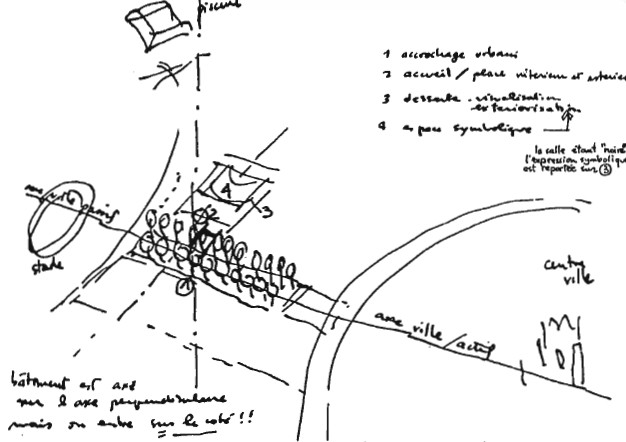
Situated in a sparsely populated urban area, in transition between a zone of housing and sports facilities, its location should help redefine the development of the town of Saint-Avold by creating pathways across or parallel to the shopping street...
Initial discussions during the programming phase had focused on another location that could reinforce a centrality that was difficult to define, close to the town hall and the main square, linked to a bus station that is currently being built, perpetuating a large automobile no-man's-land (parking lots forced by a commercial vocation on an inter-communal scale), but this site was not selected.
The work undertaken on public spaces should help to reorganize the area around the various existing business hubs.
The location of the CAC and its cultural project have encouraged it to take root. A major facility open to the city and the region, it is seeking to branch out, offering the beginnings of a recomposition of the municipal territory.
Its outdoor facilities seek to develop and expand, bringing the liveliness of public spaces back to it.
Over and above the community's need for a multi-purpose facility, the project is based on the desire to federate the Lorraine coalfield, the German Saarland and a region in the throes of economic change, with a facility to serve a cultural initiative that has been underway for almost ten years in a wide range of sectors. It is an ambitious project, both in terms of the necessary Franco-German cooperation, and in terms of the revitalization of a region in crisis, of a city aspiring to enhance its image, to rebuild the industrial economy of its employment basin and its cultural identity.
Connection diagram
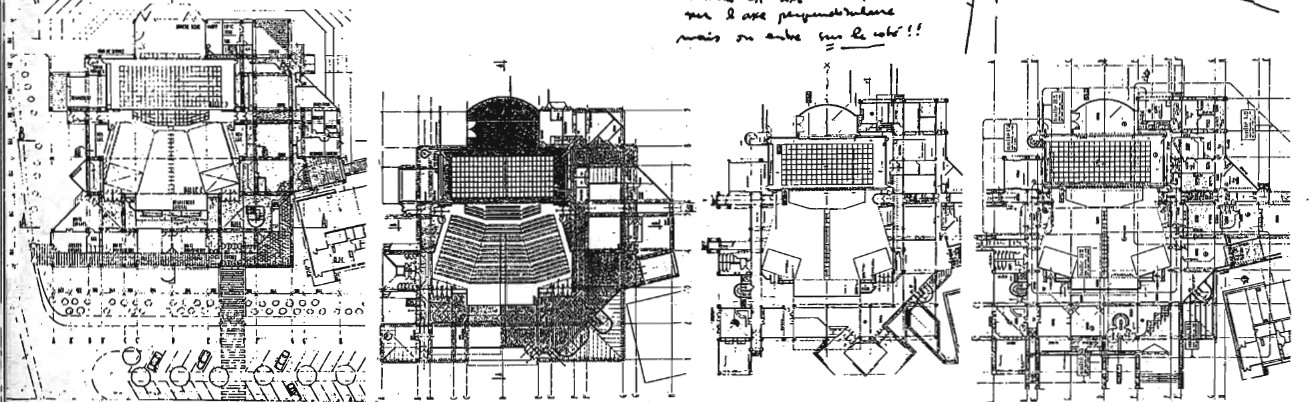
Plans
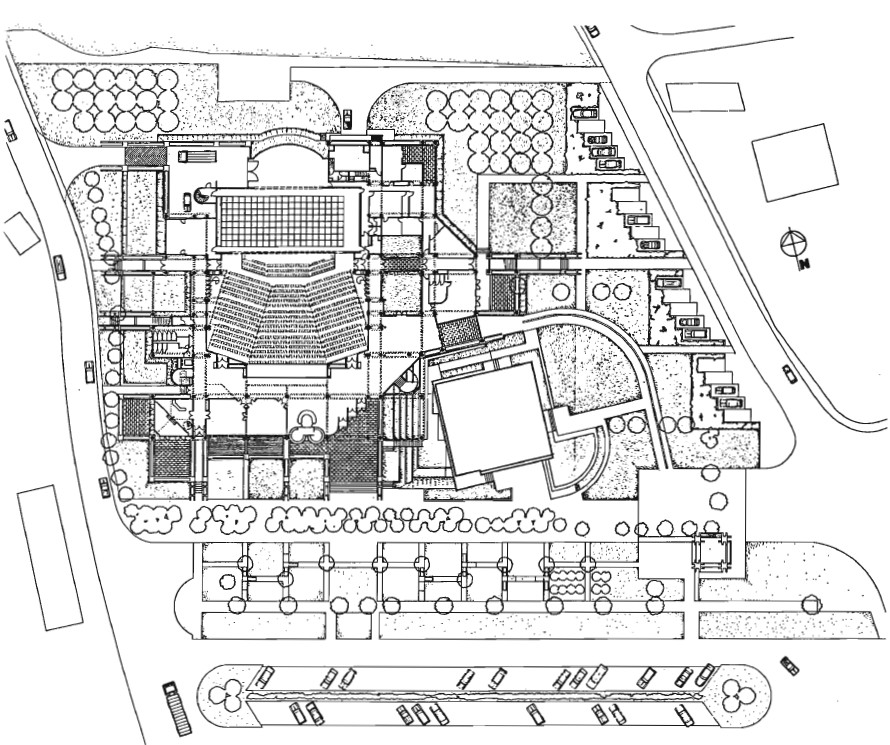
Draft plans
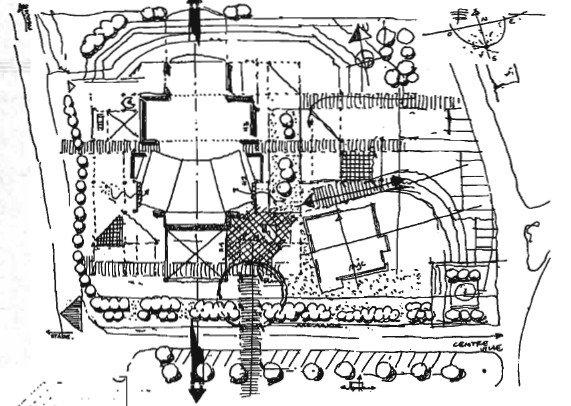
Sky view of Saint Avold and location

Public space, project collective
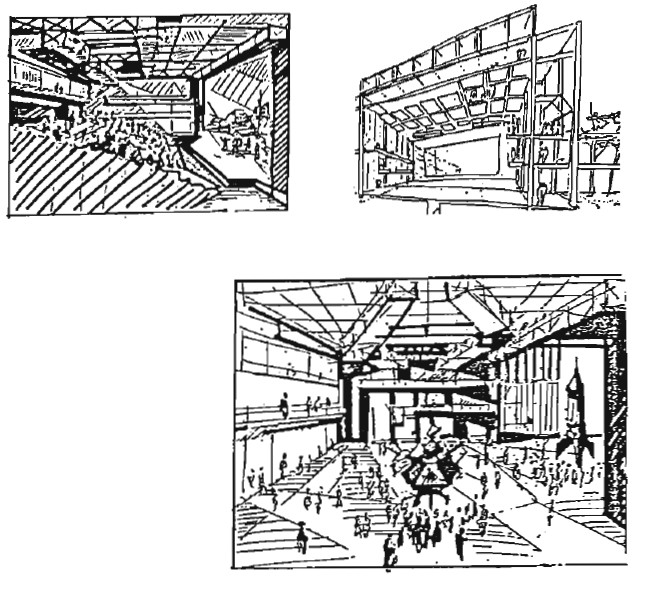
The Centre's public space is intended to be both exterior, for discovery, and interior, for appropriation, in a flexible transition: from a certain monumental scale signifying the public character and capable of accommodating crowds, to another addressing users as individuals in their relationship to the community.
As communication spaces, the various areas to be explored give a scale to the media used for cultural activities and events.
The CAC's vocation is to welcome visitors: the forecourt, the large courtyard under the entrance glass roof, the reception hall, the corridors, the grand staircase - all these spaces emphasize the collective/community character of the whole, without wanting to make its object sacred, without proposing a common place for cultural consumption.
Each user is "accompanied" during the sequence of his or her visit. As they discover the Centre, they are placed in a situation that encourages active encounters, enabling them to have their own "point of view", their own vision, and to relate to others...
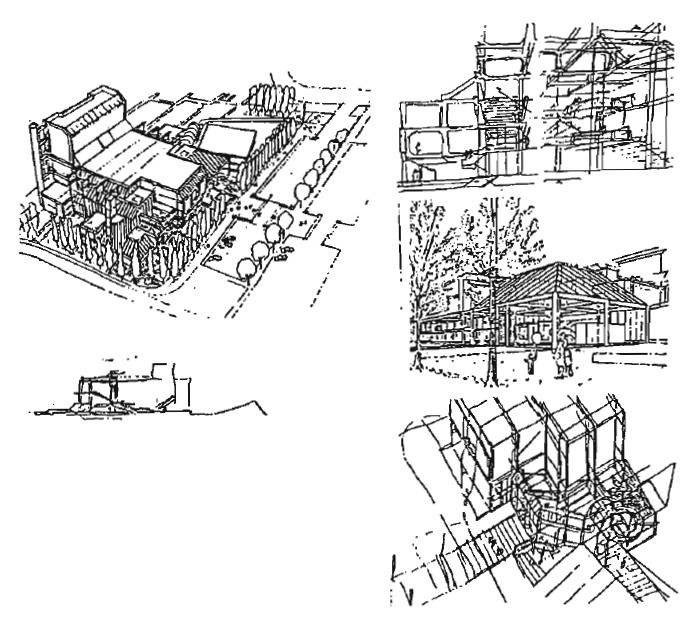
Photos
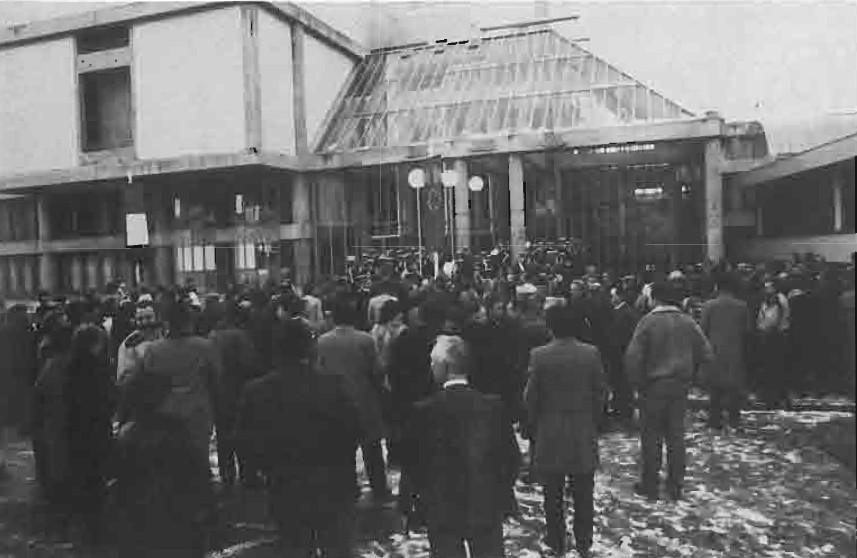

Transitions between indoor and outdoor spaces
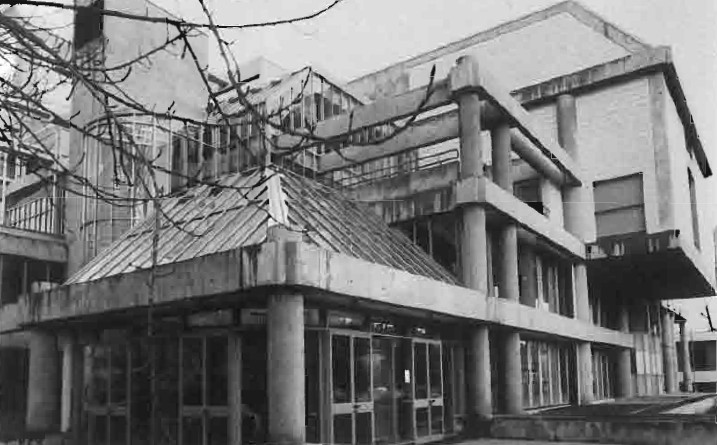
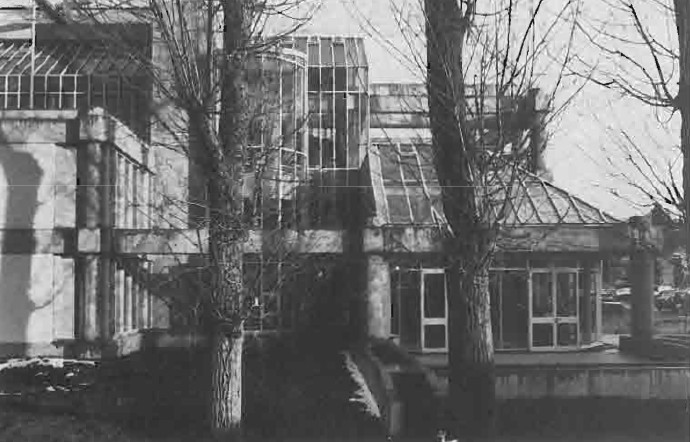
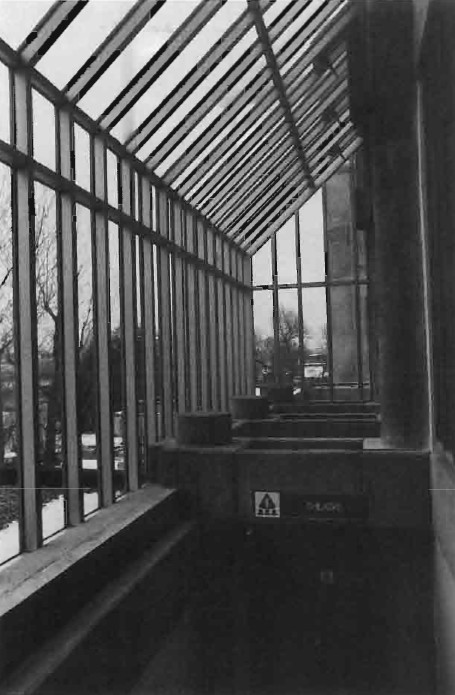
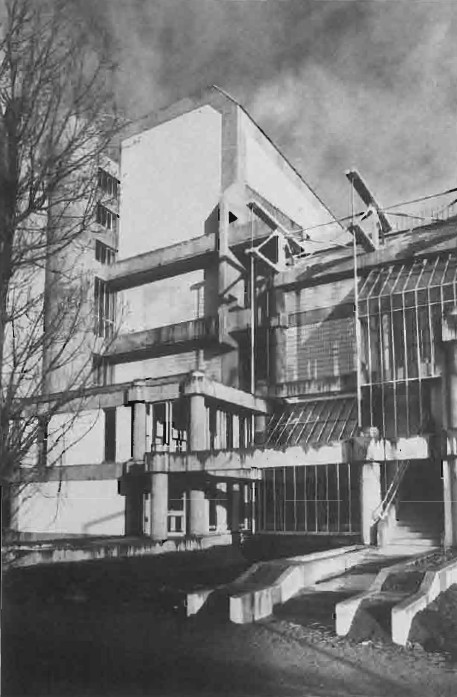
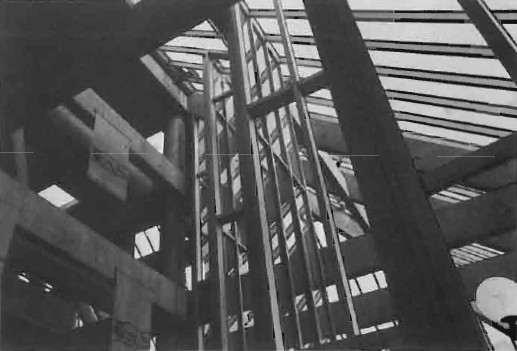
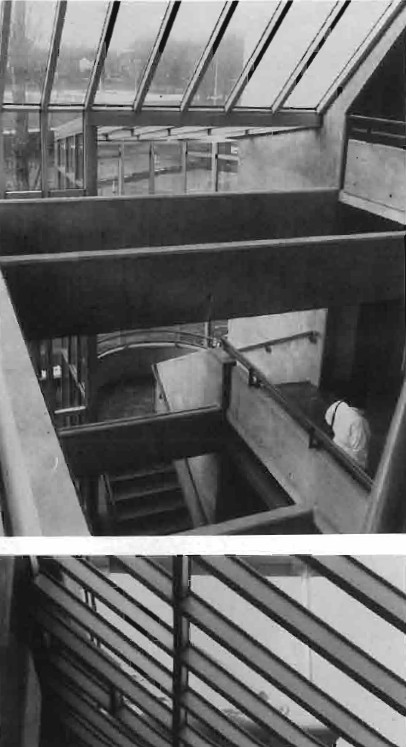
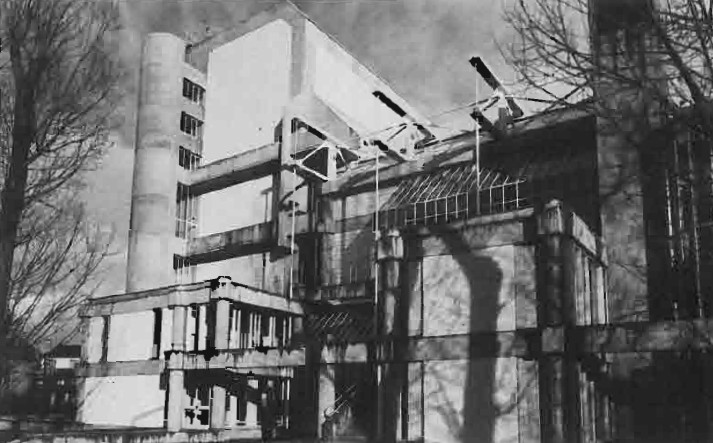
This transition is resolved on several scales: the structure generates the volumes, while the glass roofs modulate the spaces, playing on the transparency of the circulations. The planting, the external fittings and the extensions of the structure, and finally the overhangs of the glass roofs provide a transition that guides the visitor almost naturally through the paths and clearings to the various internal spaces, places of entertainment and shows.
The public character and image to be conveyed in the cultural discourse is that of transparency, of openness to the city. In some places, "you can see through", in zones of shadow or light. Even theaters, withdrawn into the secret obscurity of performance, can open up, letting the light in.
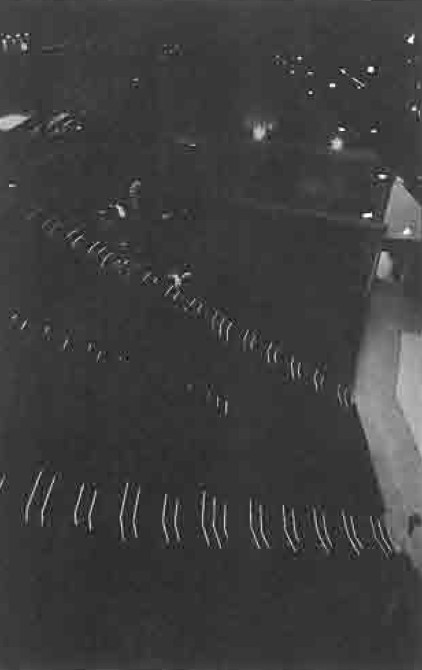
At night, artificial light adds to the urban staging, refining the interweaving of volumes, dematerializing the building's skin.
Photos

Internal spaces
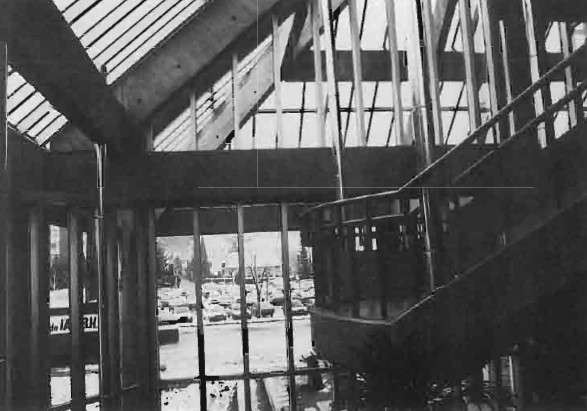
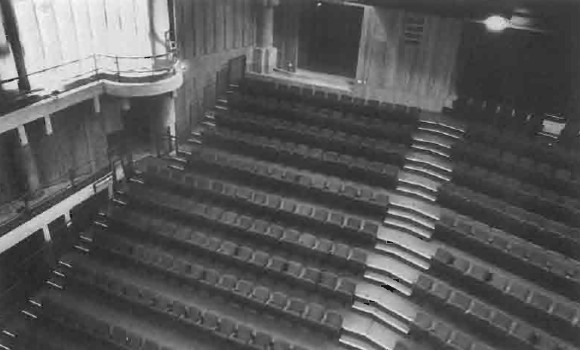
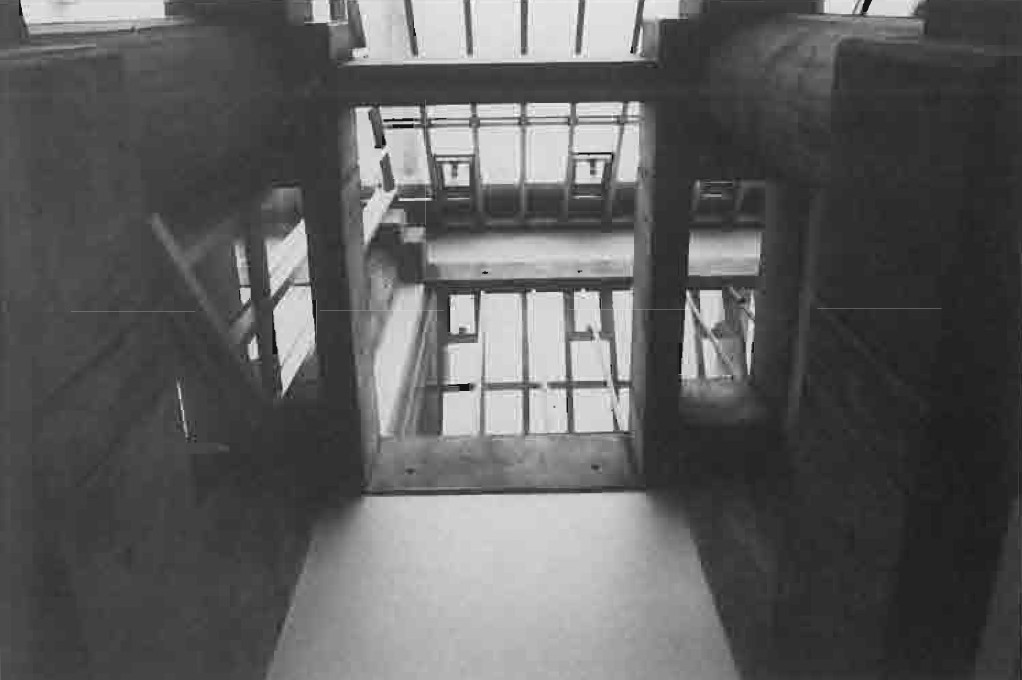
The theater's rooms act in part as a building within a building, their volumes, their limits, the expression of their identity is visible, the post/beam structure encircles them, building them up in part, showing the exterior space inside, supporting the framework that covers them.
In places, the circulation spaces reflect this spatial discourse of seeing and giving to see: mezzanines, balconies, walkways, staging of spaces, dynamics of reciprocal visions.
The conviviality of these spaces is accentuated by the progression in the quality of the materials used, from a certain contrasting neutrality of the circulation "places" to the richer, warmer layout of the auditoriums.
The ability to open certain bays to natural light can be adapted to suit different room layouts.
The versatility called for by the client is met by the scenographic layout and the technical nature of the bleachers and other mobile equipment. However, this flexibility cannot be reduced to a mere technical expression: these are by no means hangars, and everything is designed to show something else, another possibility that has been or is about to be realized...
Photos



Context
Theater located in Saint-Avold, near the German border.
Project
Title : Centre d'Action Culturelle de Saint-Avold
Location: Rue de la Chapelle, 57500 Saint-Avold
Total surface area: 7,000 m² (including 4,800 m² of living space)
Theater: Modular room for up to 1000 people.
Other areas: Libraries, video library, discotheque, entertainment areas, meeting rooms, etc.
Calendar
Competition: Early 1982
Program: 1981
Start of studies: April 1982
Site opening: October 1983
Acceptance of work: December 1985
Technical Data Sheet
Client: City of Saint-Avold, with a grant from the French Ministry of Culture.
Main contractor :
Principal architect : Bernard Kohn
Assistant architects : Jean-Pierre Vaysse and François Daubail
Control office: AIF Service
General contractor: A. STIEN
Companies: A complete list of the companies involved in the various work packages (structural work, carpentry, roofing, etc.).


