
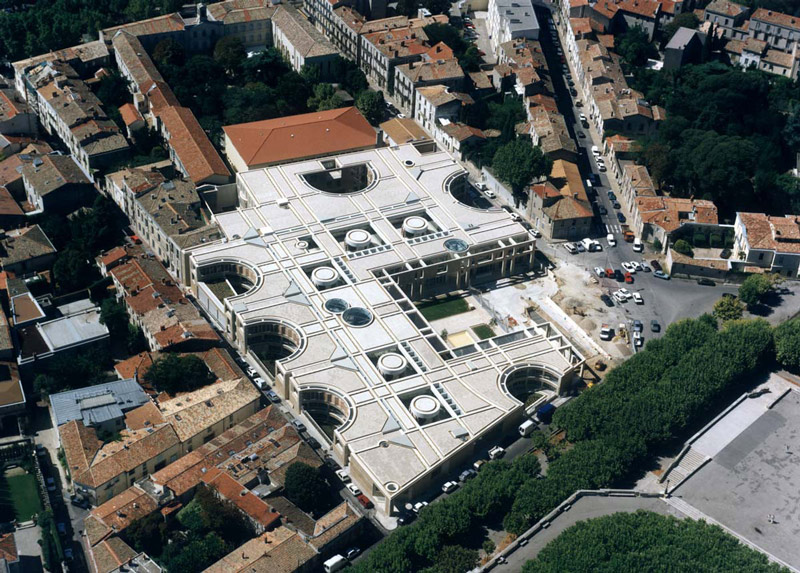
Montpellier's new courthouse
1995
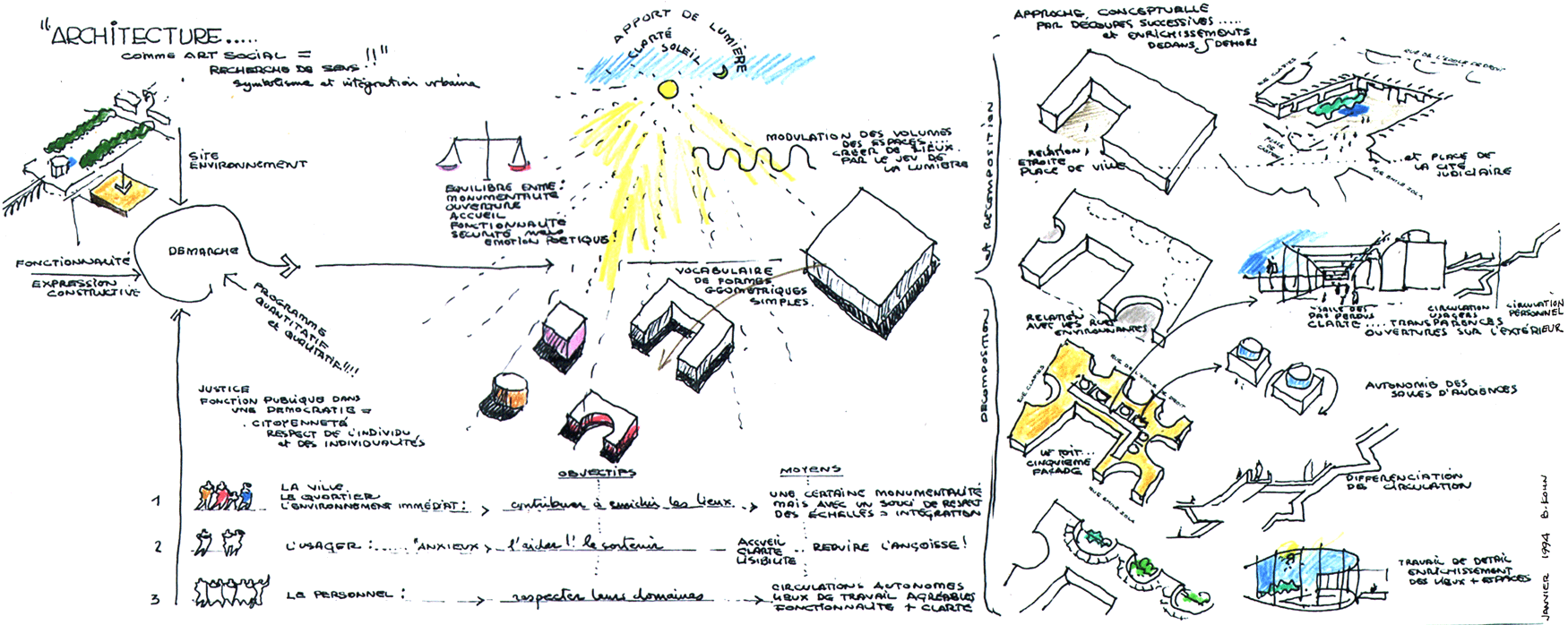
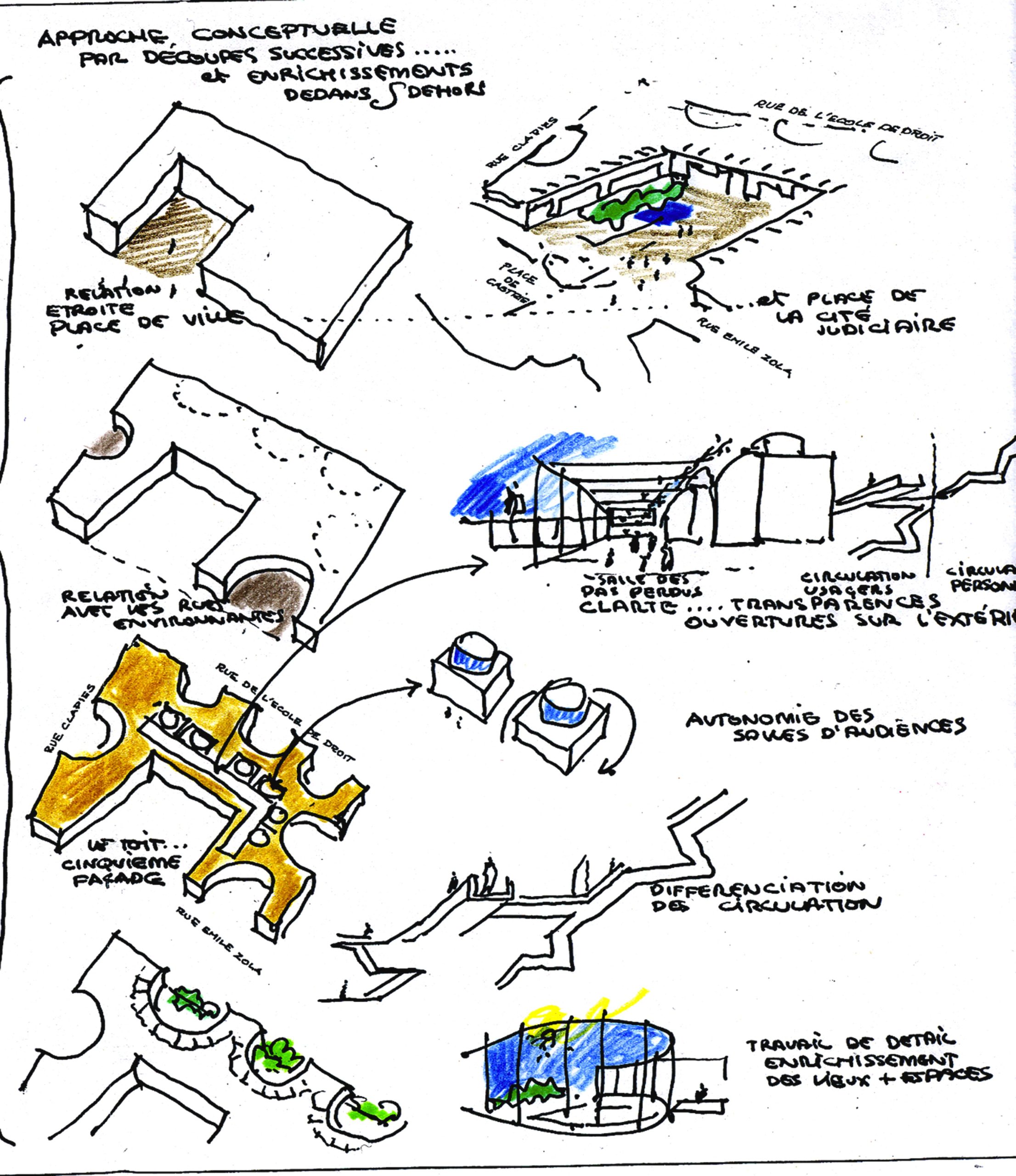
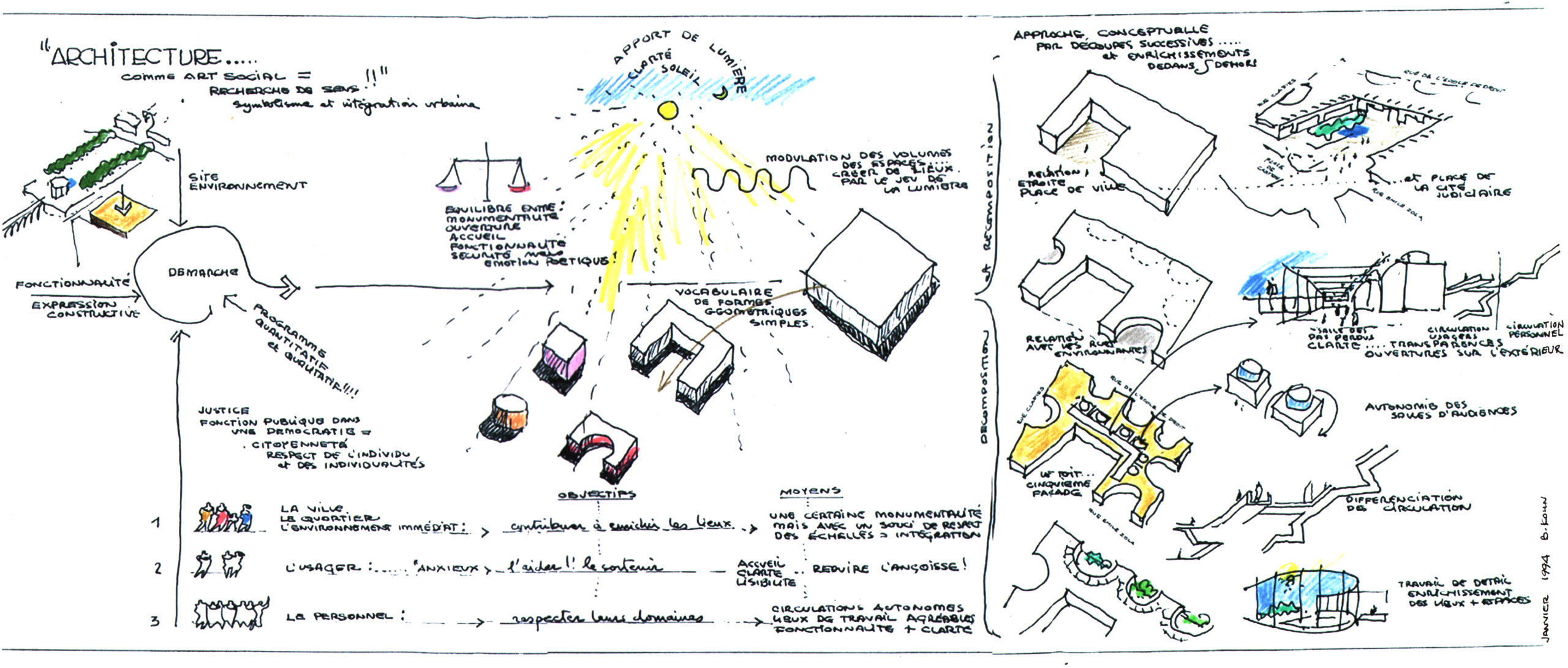
Enrich the neighborhood with a building that reflects the specific character of the institution. To create a clear, open space in which the individual (staff and users) can feel respected and understood. To combine monumentality and human scale, in an attempt to reduce user anxiety.
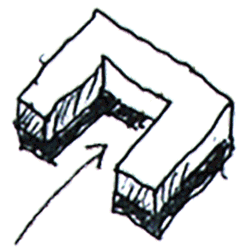
Open to all audiences
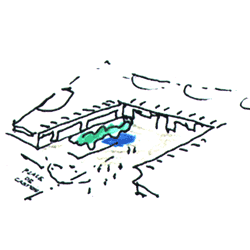
Soothing through water
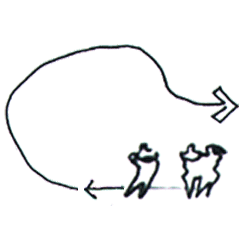
Clarity of pathways

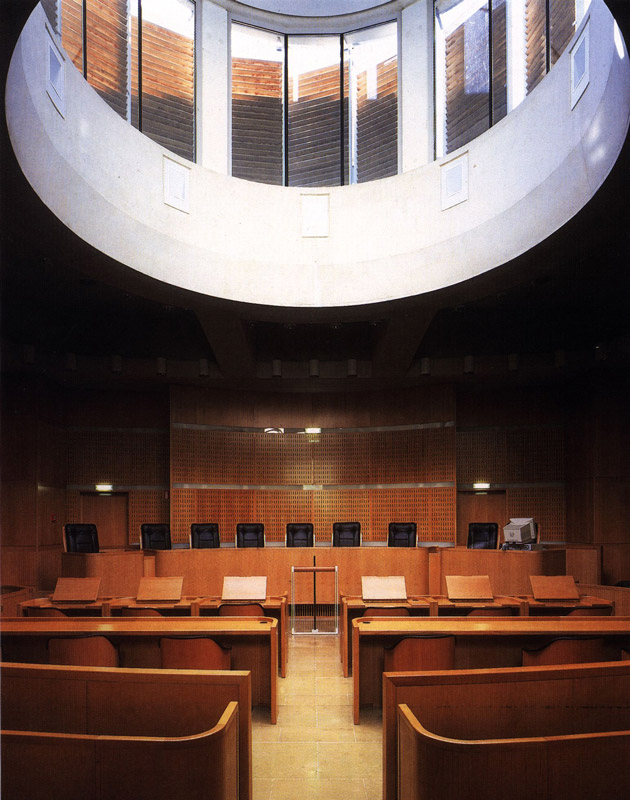
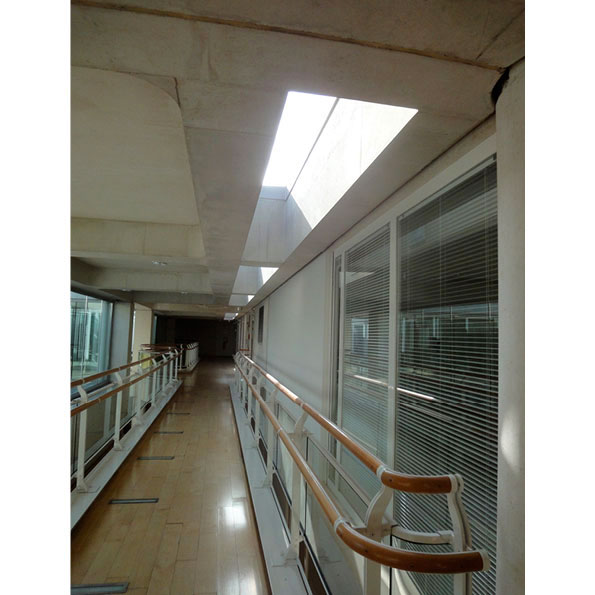
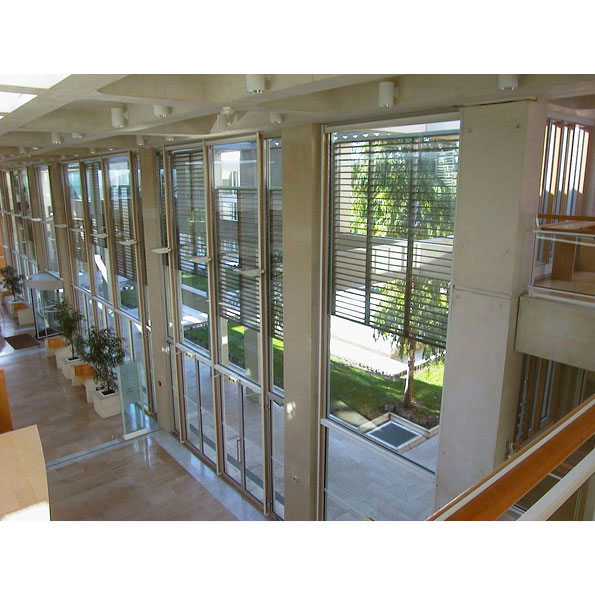
Natural light

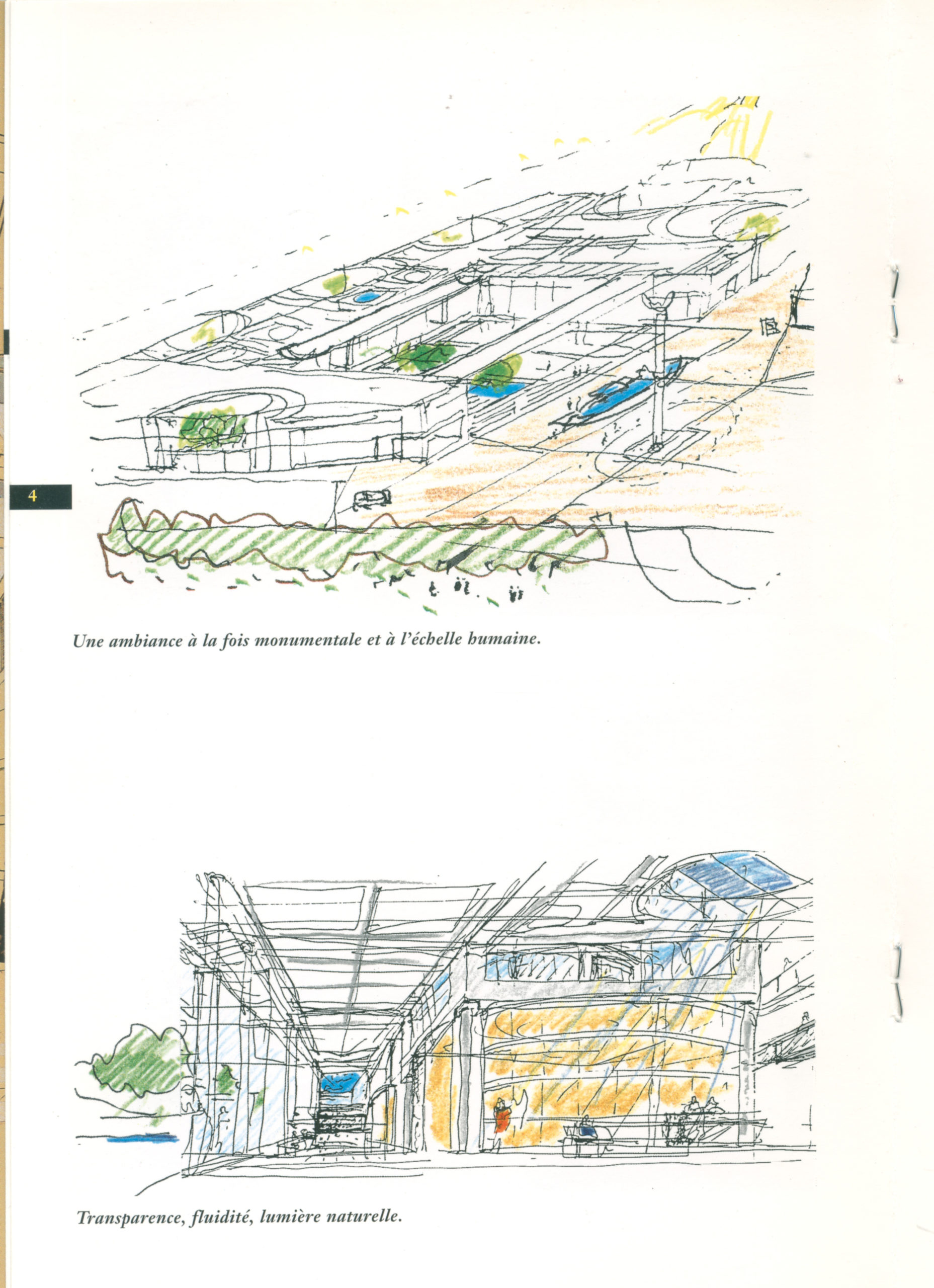
Balance between monumentality and welcoming atmosphere
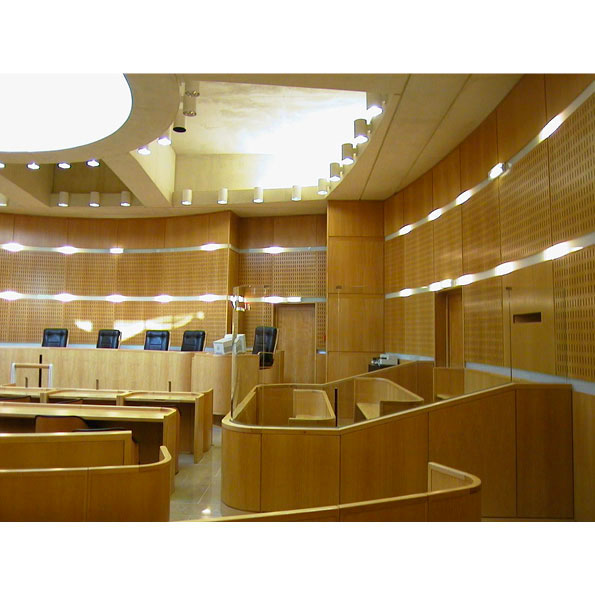
Warm materials

Sharing and recognition


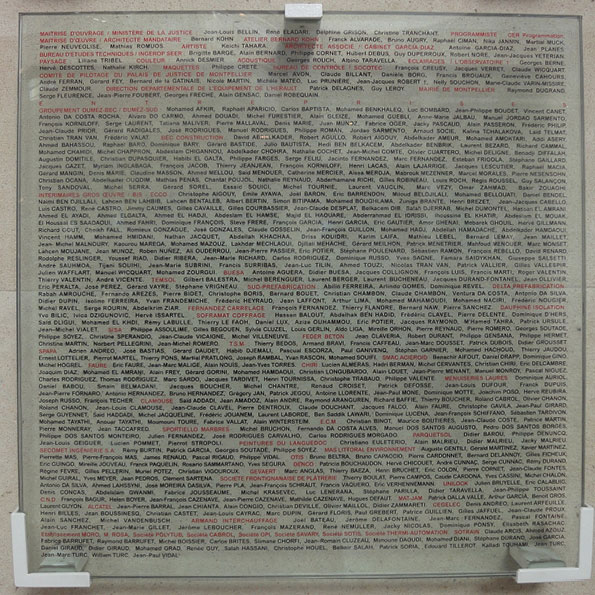
Sharing and recognition
Upon entering the building, to the right, one discovers a vast panel designed by the architect, displaying the 450 names of the workers who contributed to its construction.
This is an exceptional form of recognition that I have not observed elsewhere.
Bernard Kohn offers you a video tour of the courthouse.
Clarity
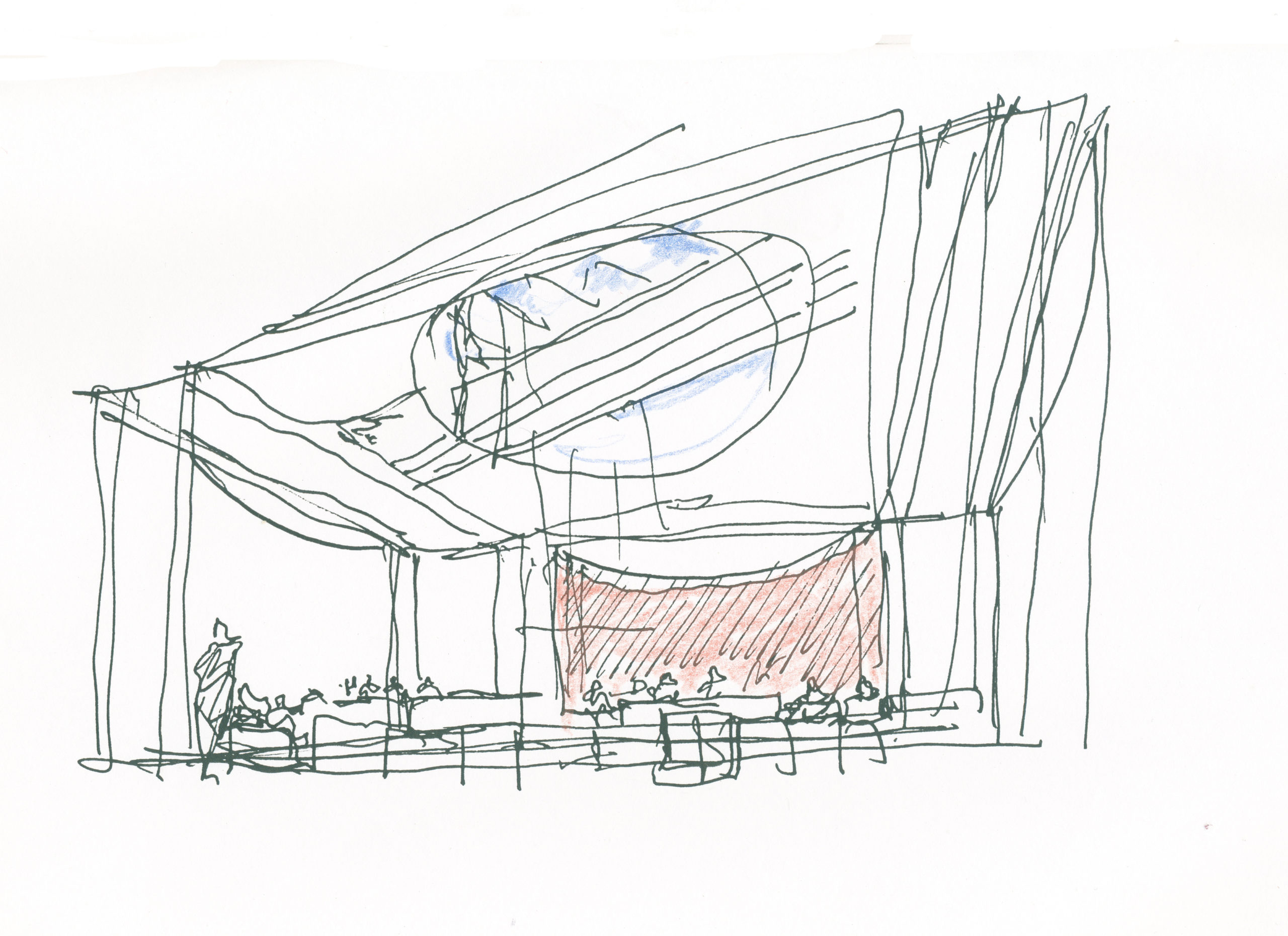
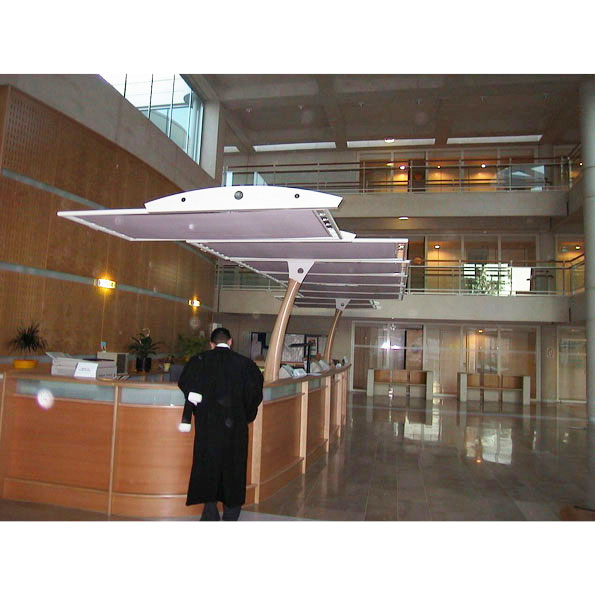
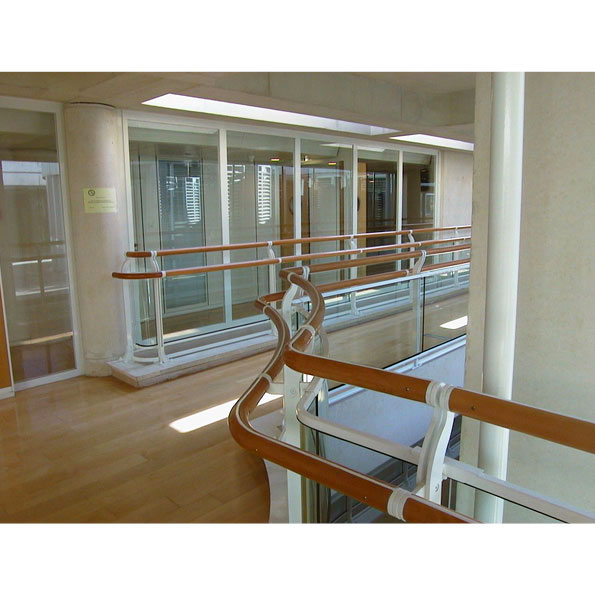
Zenithal light is generously diffused throughout the building.
Light symbolizes a presence...


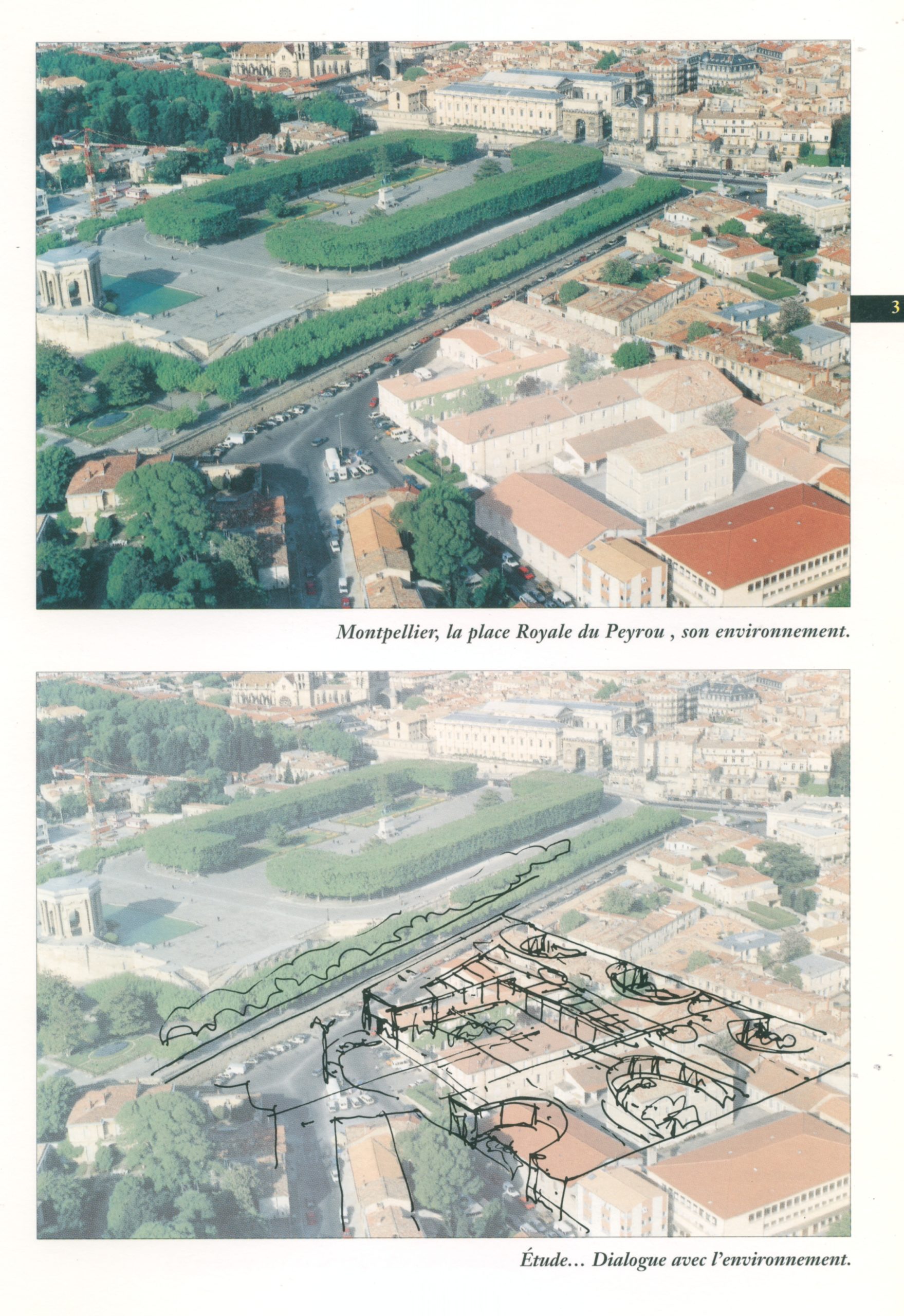
Context
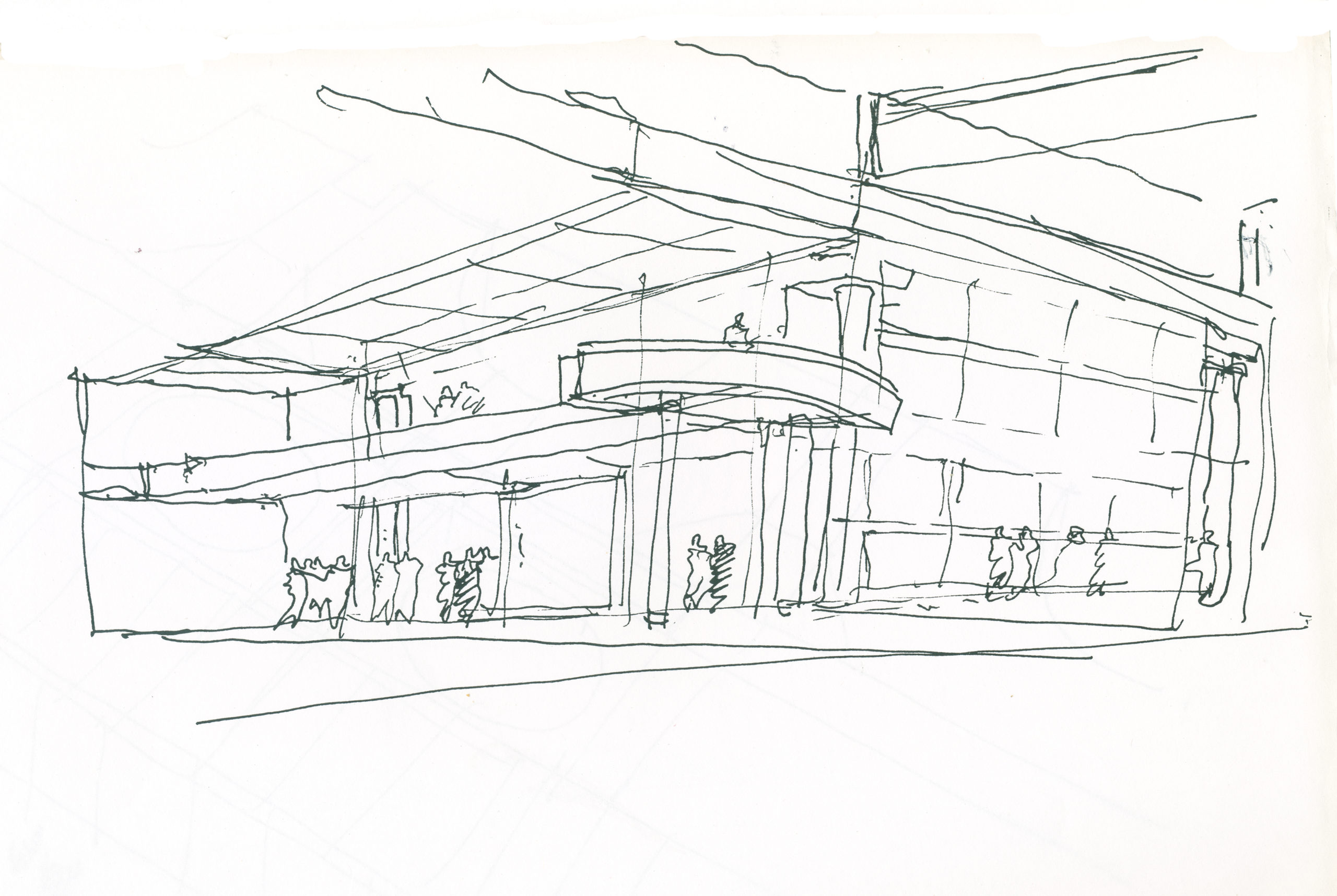
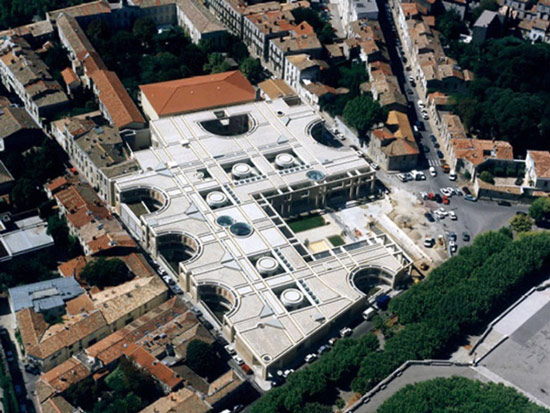
In the historical heart of Montpellier, access to the Palace of Justice is gained through successive levels – transitional spaces – extending from the Place royale du Peyrou.
Project
In the historical heart of the city, access to the Palace of Justice is gained through successive levels – transitional spaces – extending from the Place royale du Peyrou.
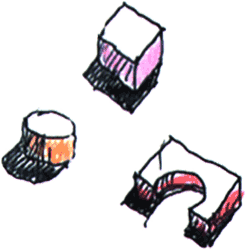
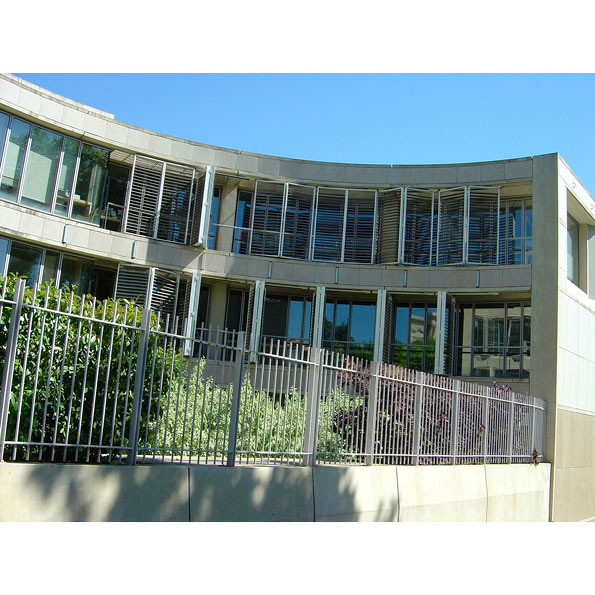
The constructive vocabulary is deliberately clear and legible.
The work carried out on the notions of verticality and openness brings values other than that of justice itself.
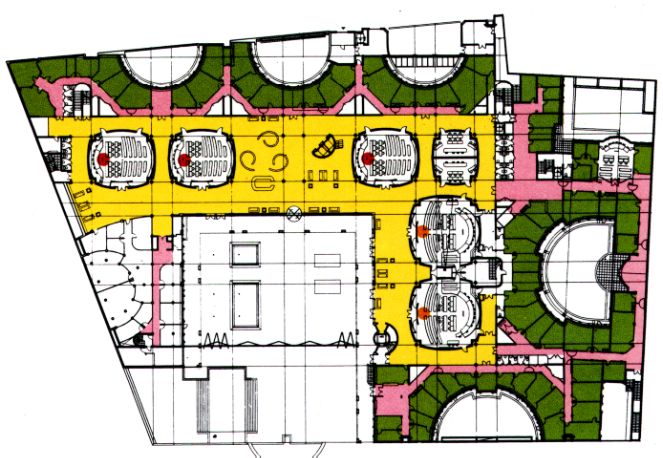
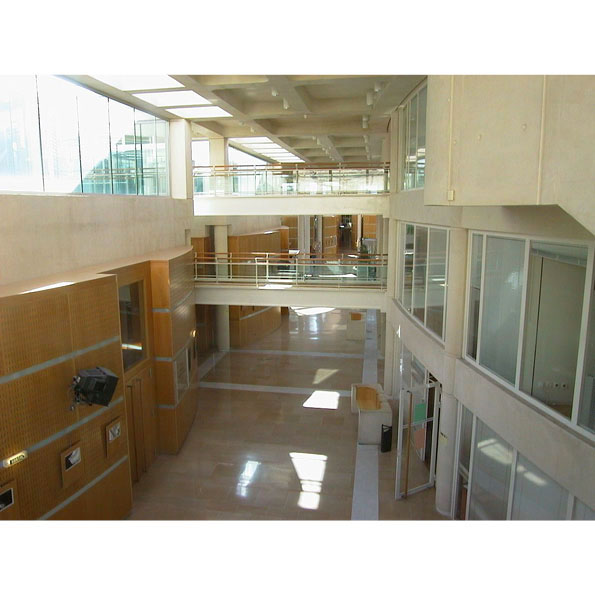
The courtrooms are grafted onto the grand Hall of Lost Steps, the backbone of the construction. Circulation spaces are organized around it.
In addition to the functional clarity of the place, there is spatial and volumetric clarity.
All offices, treated as alcoves, face outwards.
Zenithal light is generously diffused throughout the building.
The use of exposed concrete, natural stone on the exterior, wood, and warm colors on the interior creates a strongly present and welcoming place.
Program
High Court
District Court
Project
To enrich the neighborhood by establishing a building that reflects the specific character of the institution.
To create an open and clear space where individuals (staff and users) can feel respected and understood.
To combine monumentality with a human scale, in an attempt to reduce user anxiety.
Technical Data Sheet
Client: Ministry of Justice ∙ D.G.P.P.E.
Area: 13,000 m² GFA
Construction Cost: 130 MF excl. VAT
Competition: 1992
Design: 1992
Completion: 1996
Project Managers: Bruno Augry
Associate Architect: Antoine Garcia Diaz
Construction Coordination: Jean Planes Atelier Antoine Garcia Diaz
Landscape: Liliane Grunig Tribel
Lighting: Georges Berne (L’Observatoire 1)
Cost Consulting and Engineering Firms: INGEROP SEEE
HVAC Engineering: Hubert Penicaud
Fluids: INGEROP SEEE
Contractor: Groupement Dumez-Bec


