
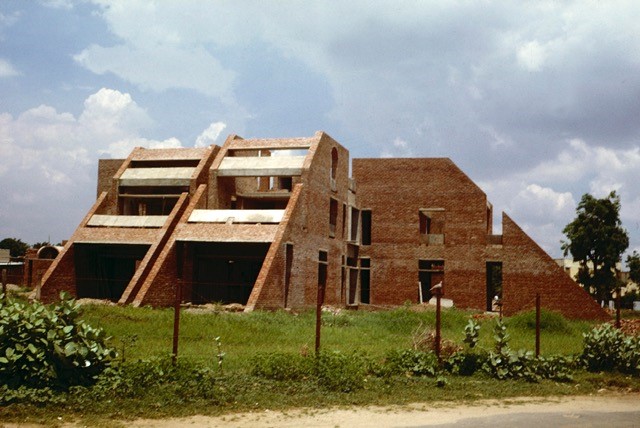
Ambalal family home in Ahmedabad
1964-1971
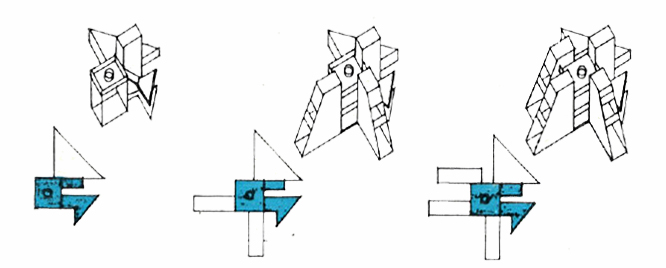
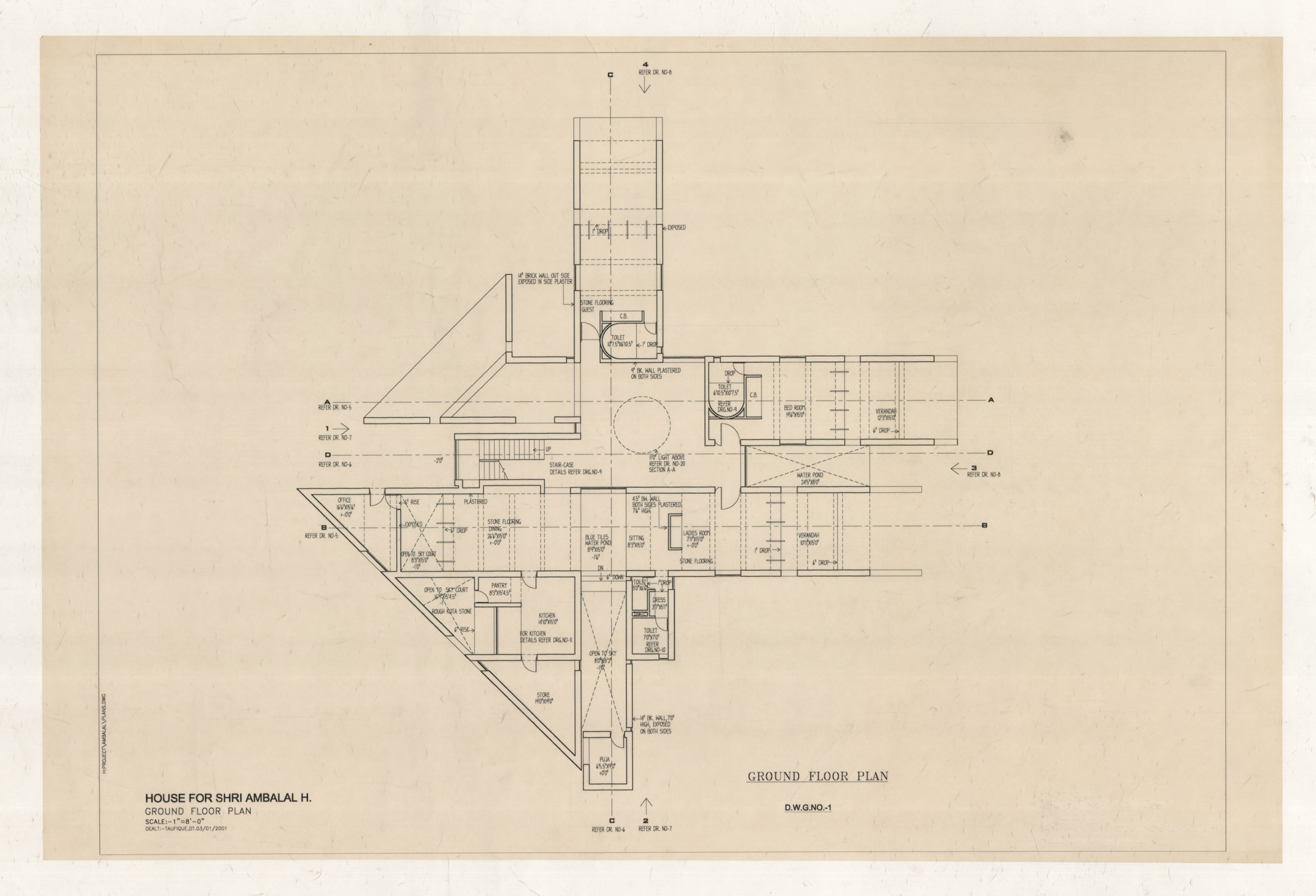
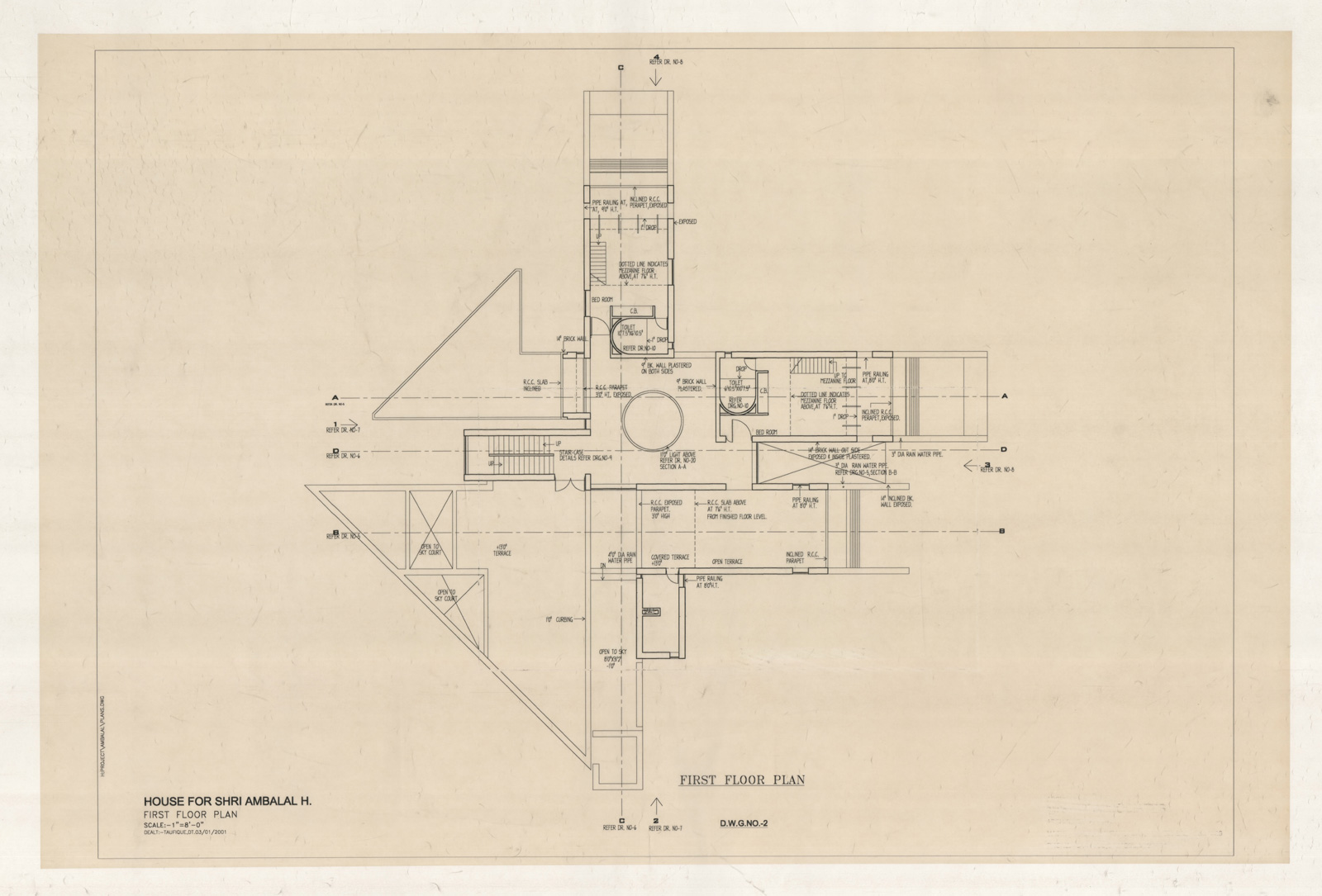
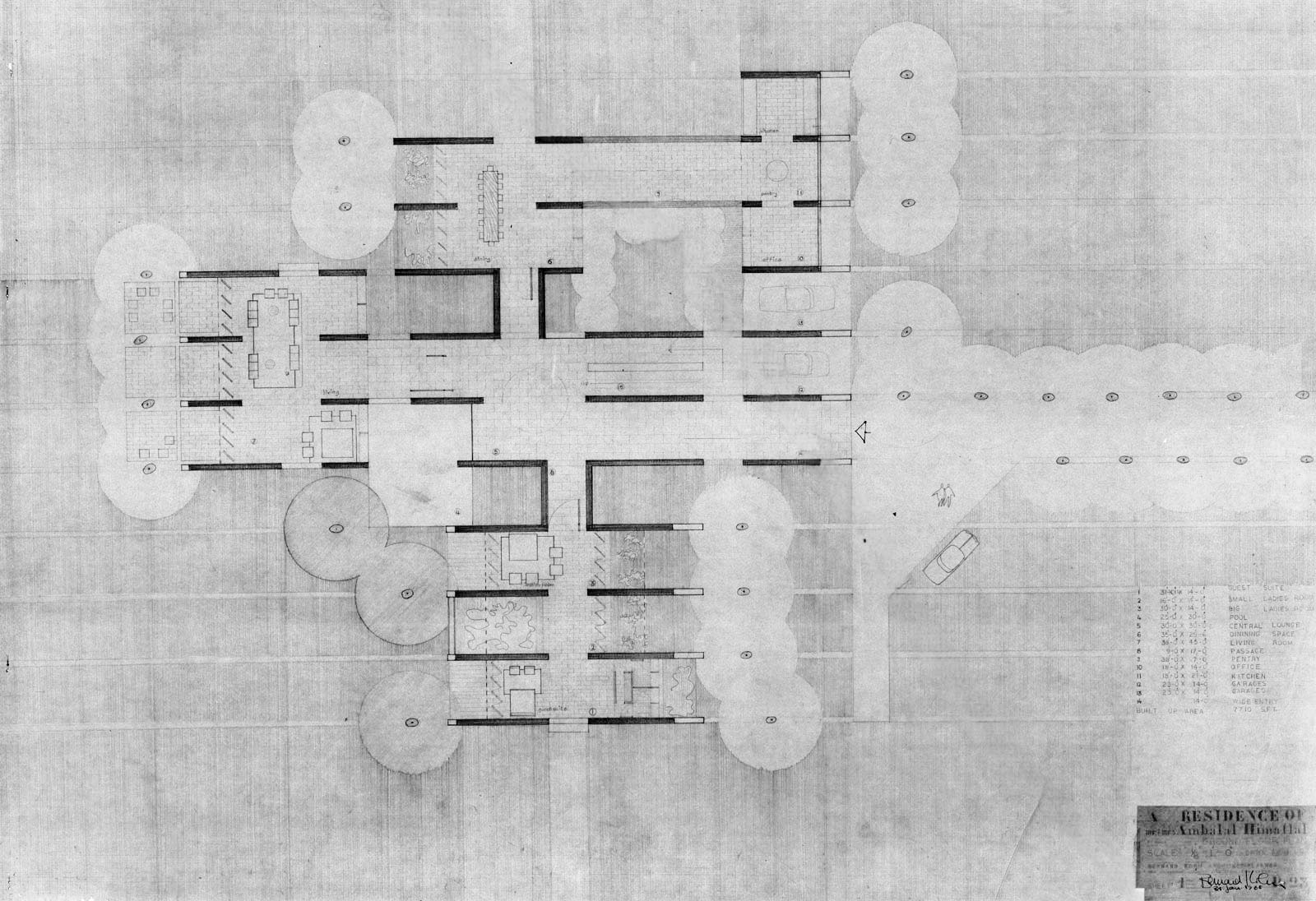
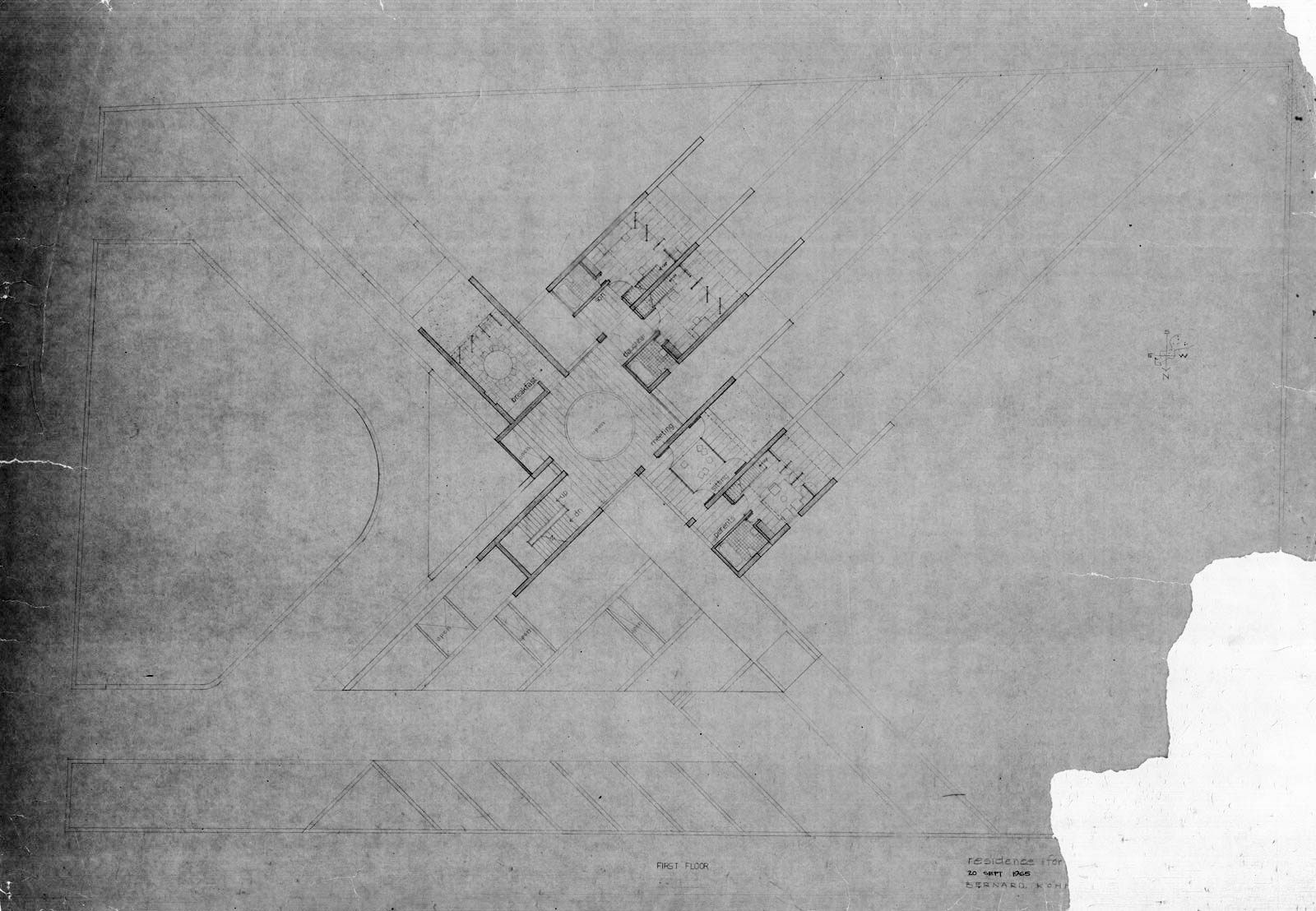
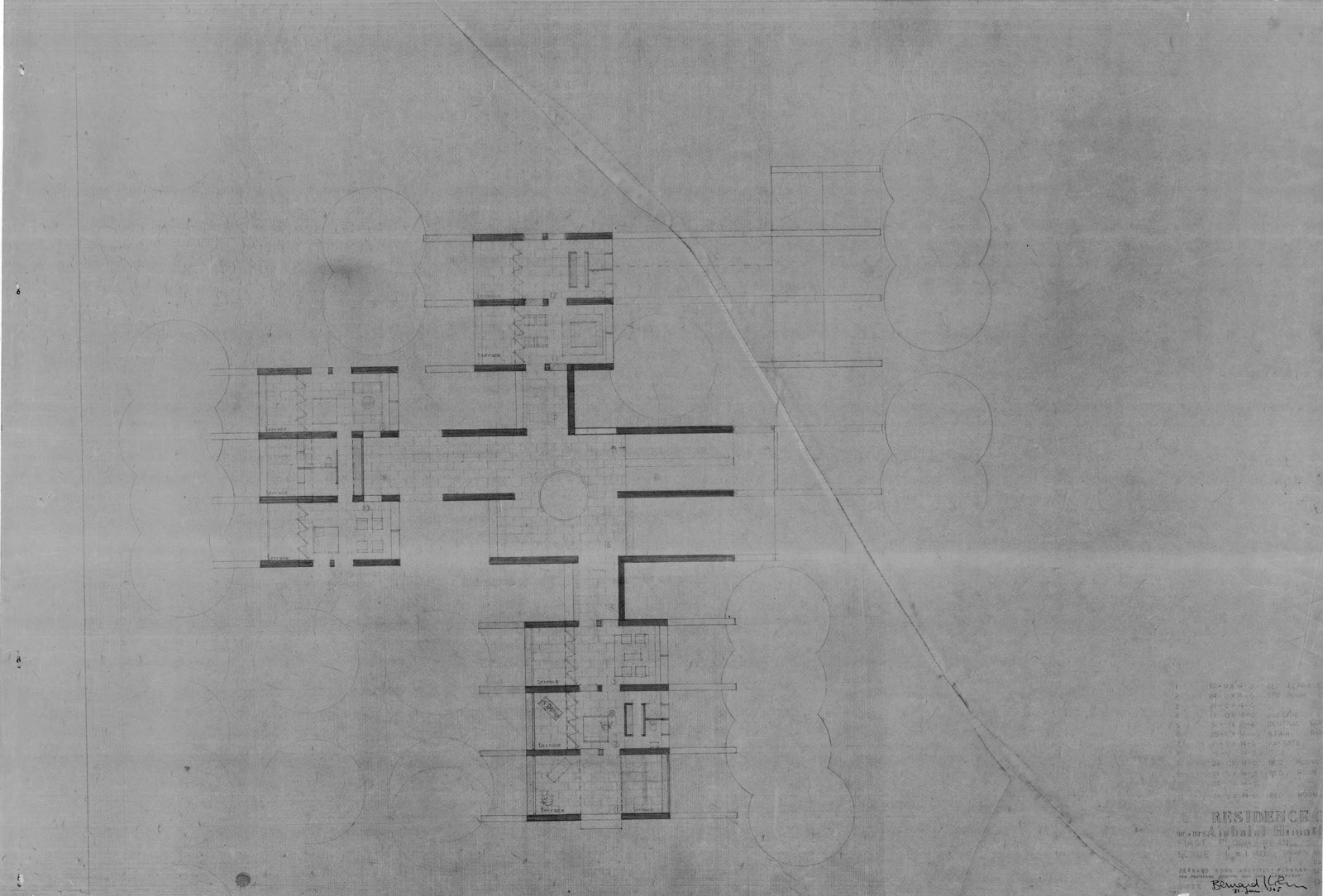
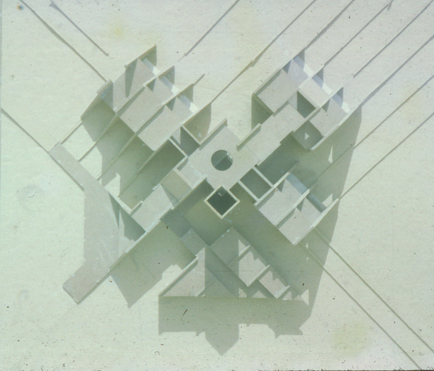
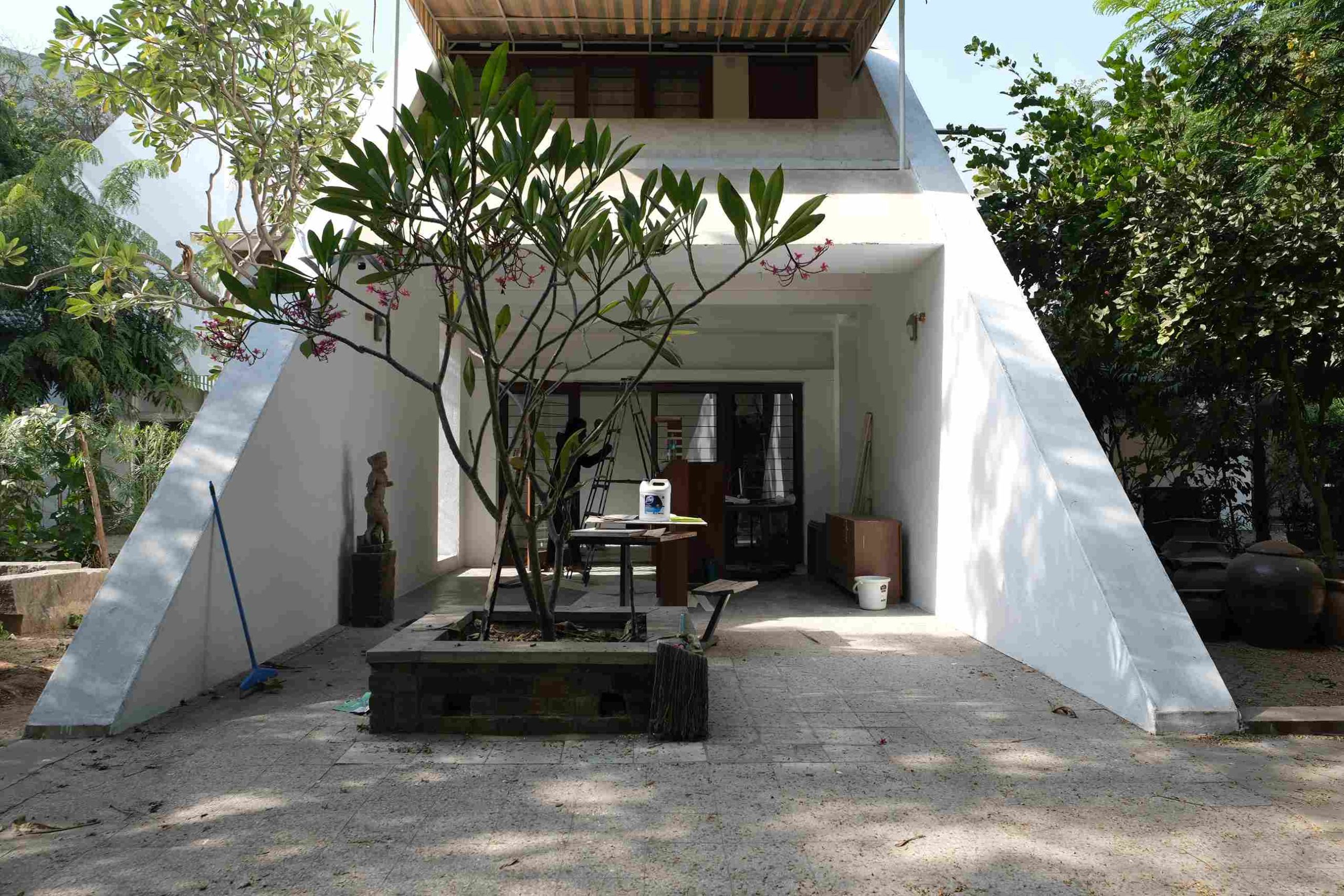
The house takes a form that extends in all directions, with a brick and concrete structure that seems to rise from the ground. The hierarchy of space is defined by the order of sequence between each room such as the entrance, central space, living room, exterior and bedrooms.
Development plan
House plans

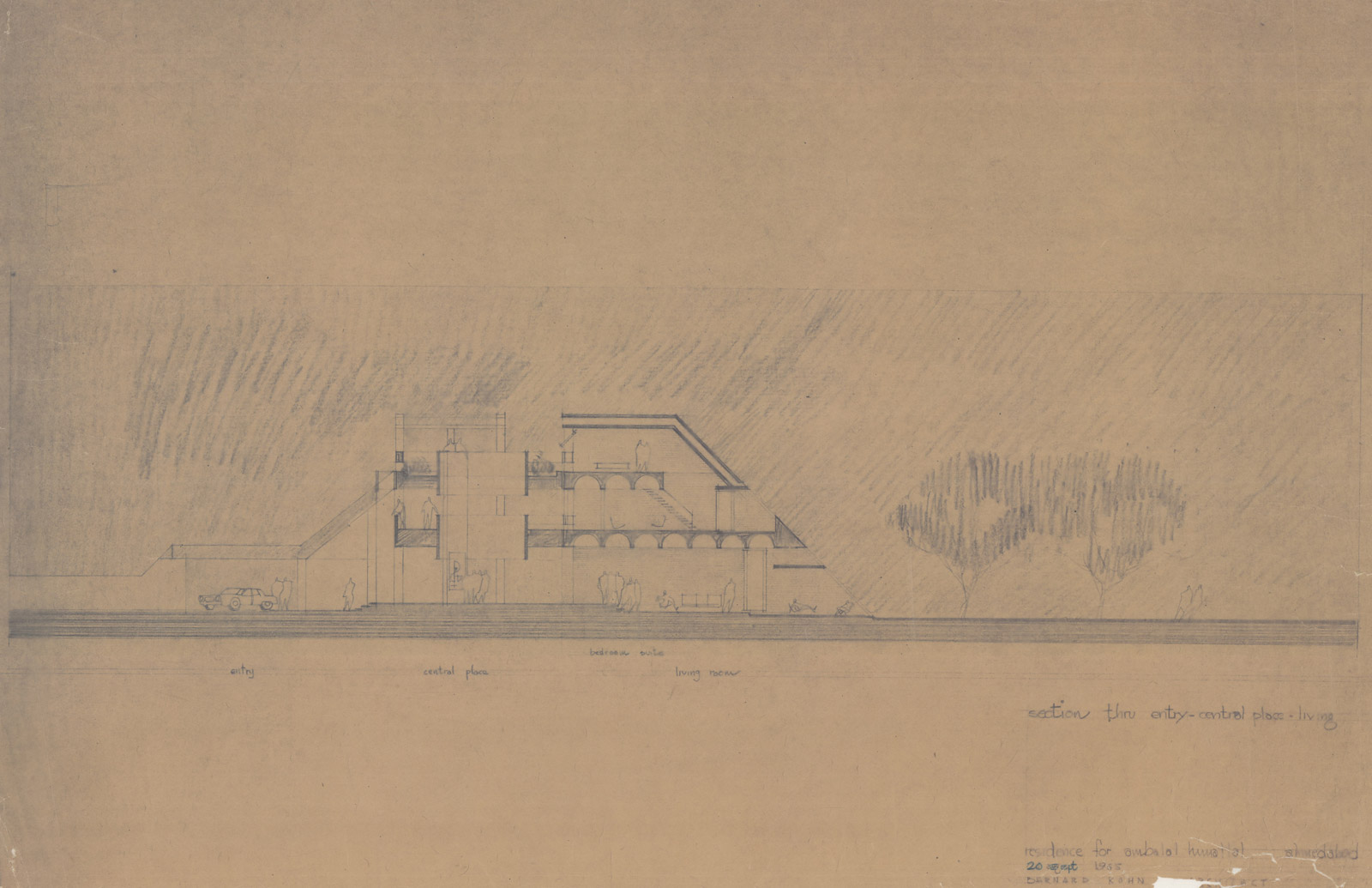
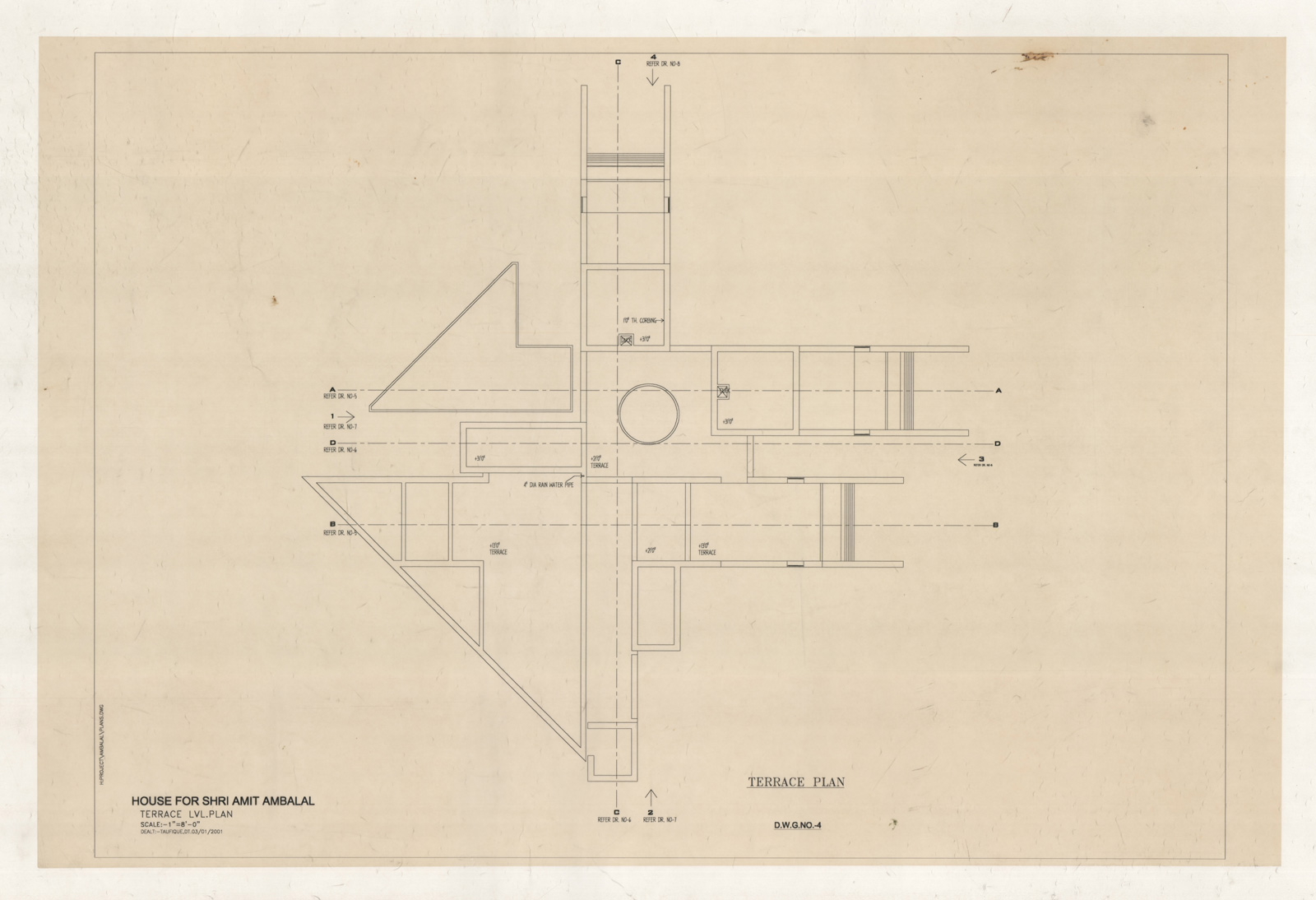
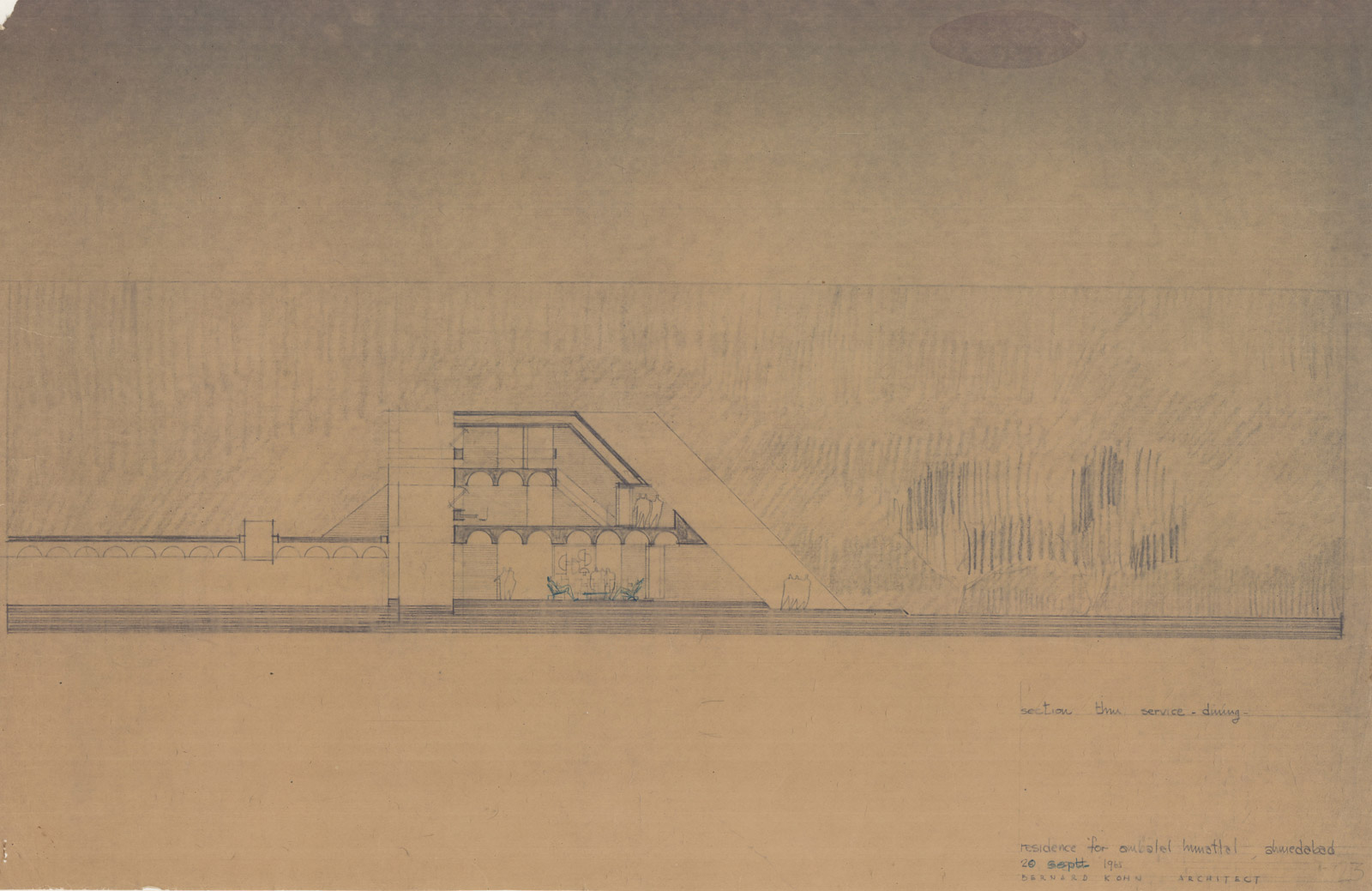
Model photos
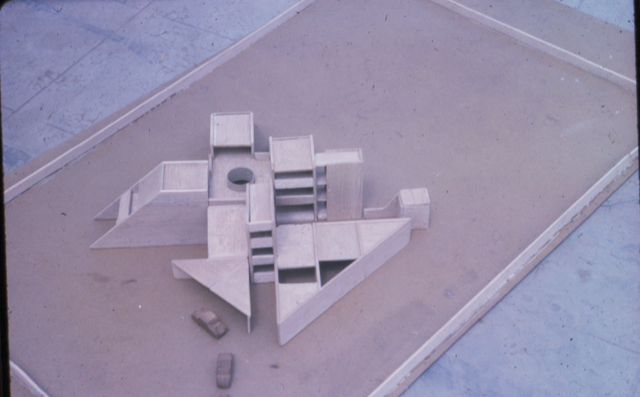
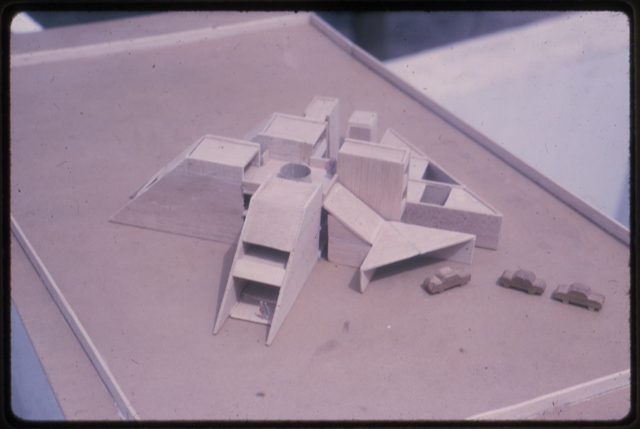
Initial concept
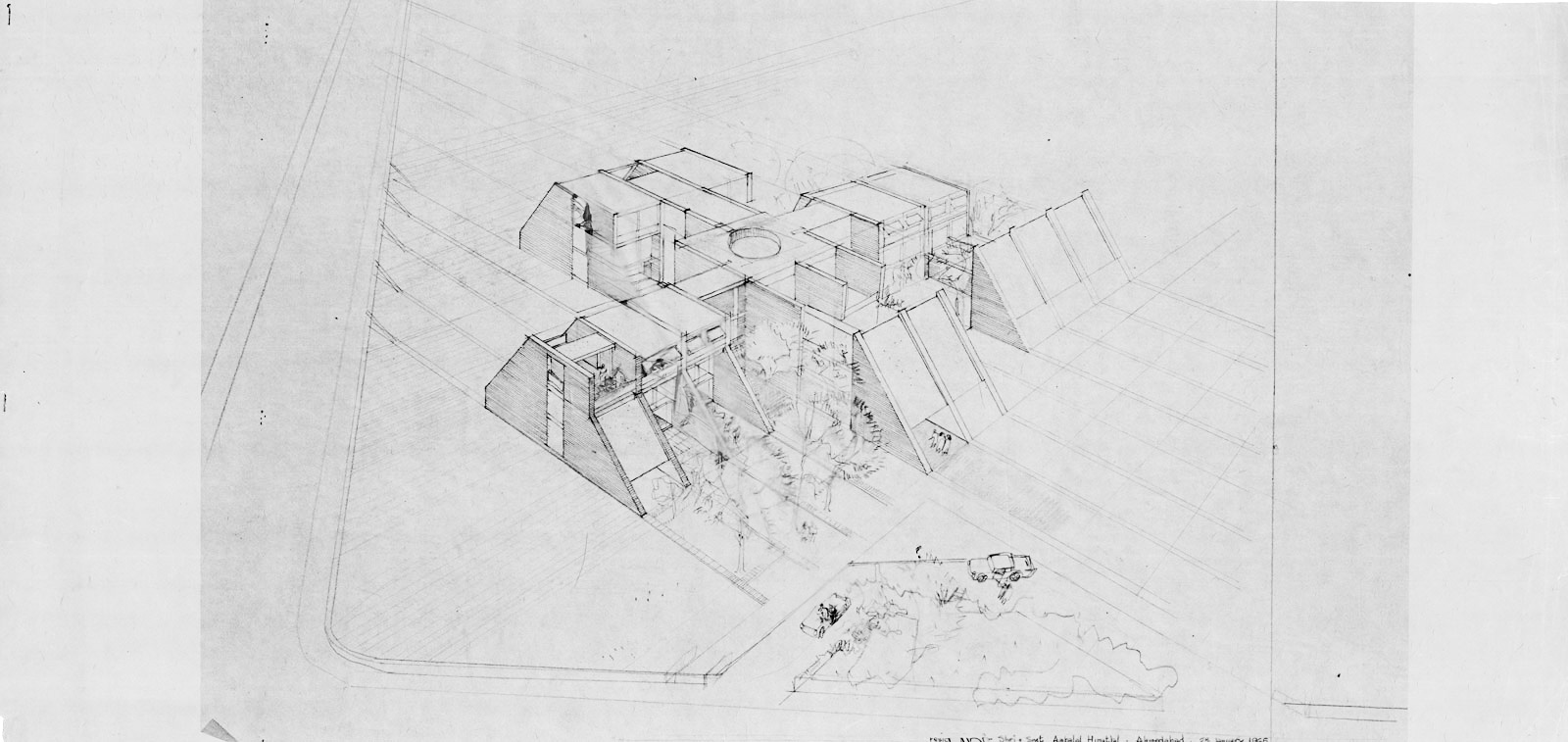


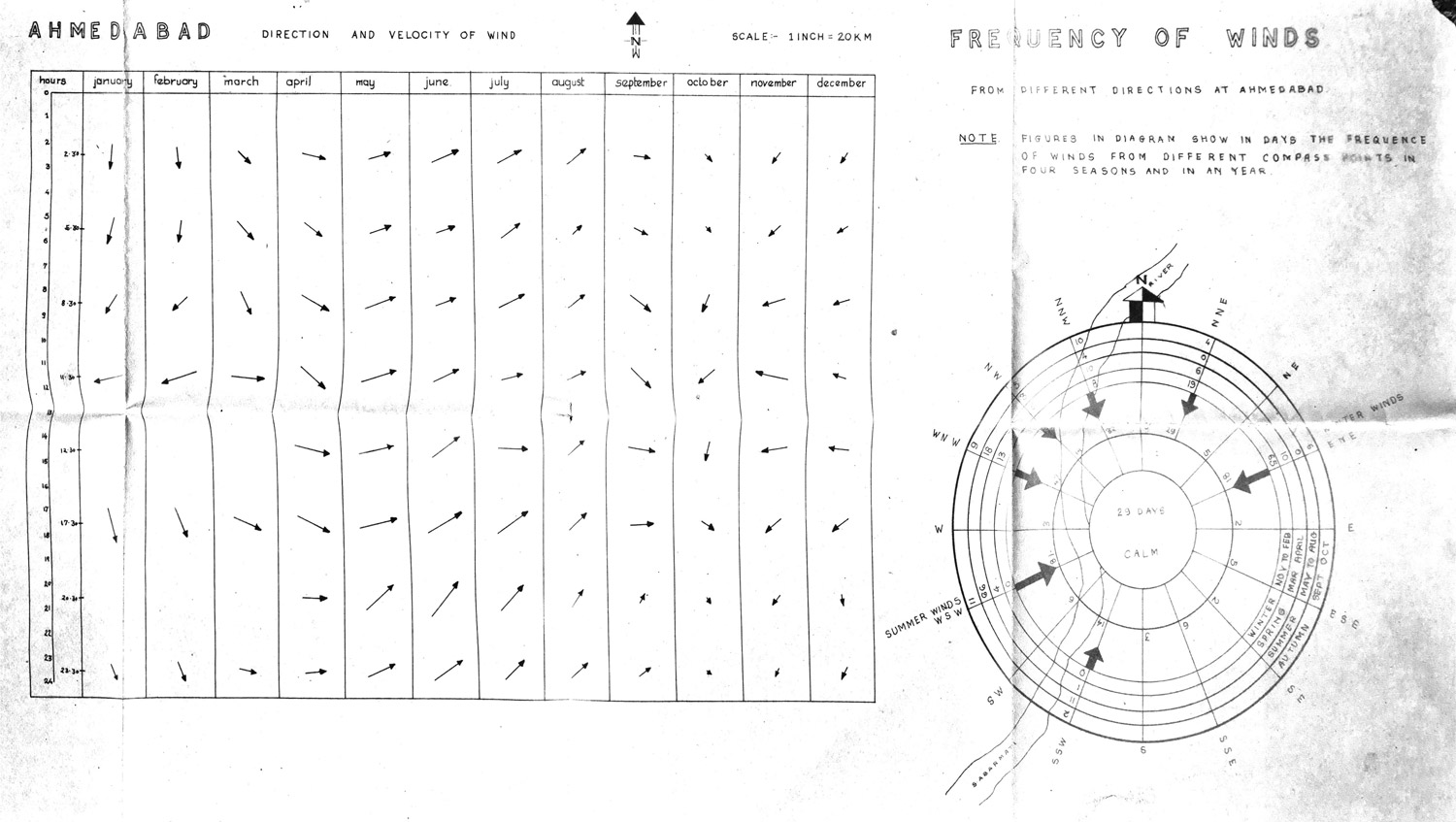
Wind frequency diagram
The reason for the masion's angle is to maximize natural ventilation. Kohn decided on the angle of the building after spending a year checking the wind direction in Ahmedabad. In India, an efficient ventilation system is essential to survive the summer heat.
Video of the house, built in 2024
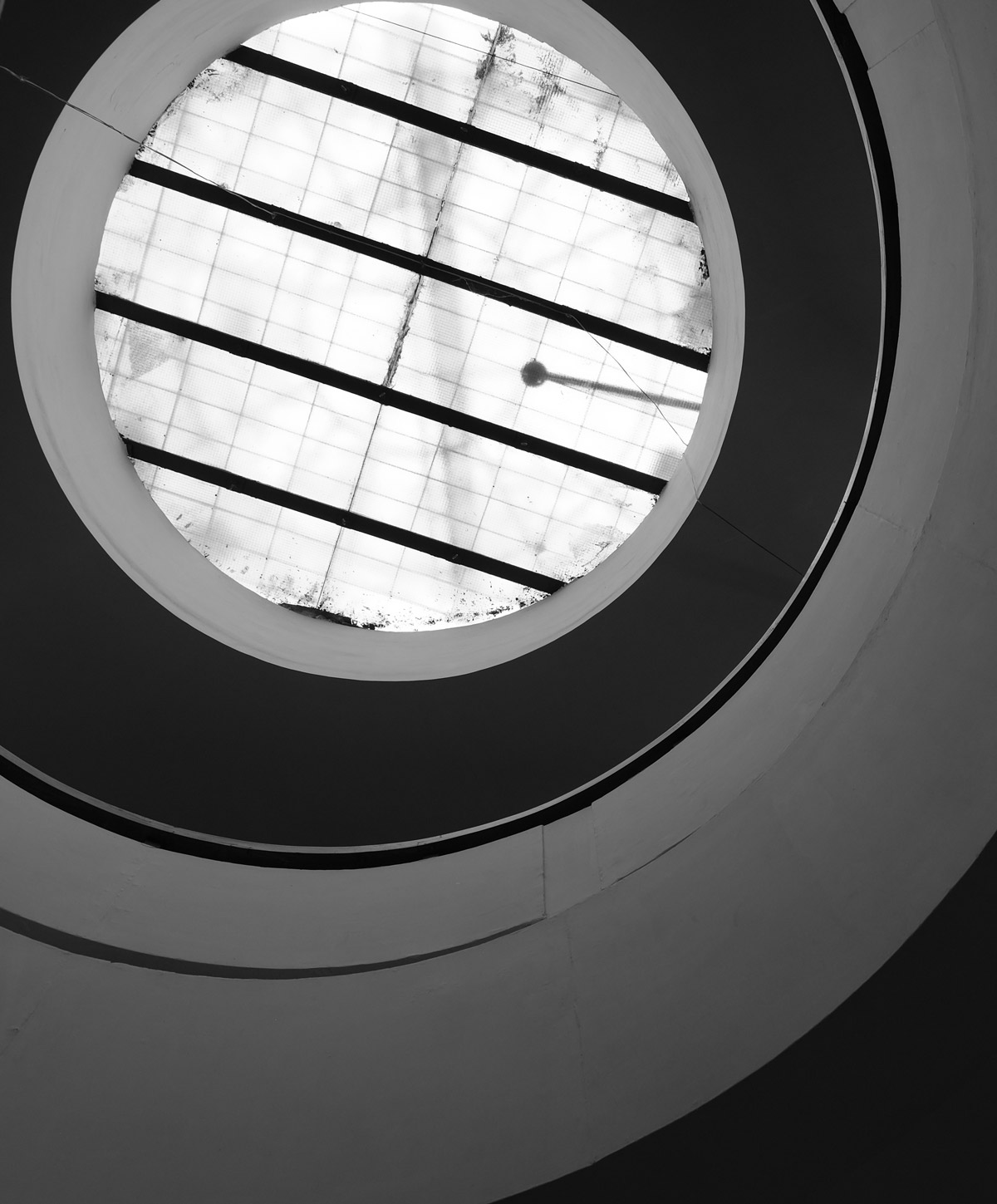
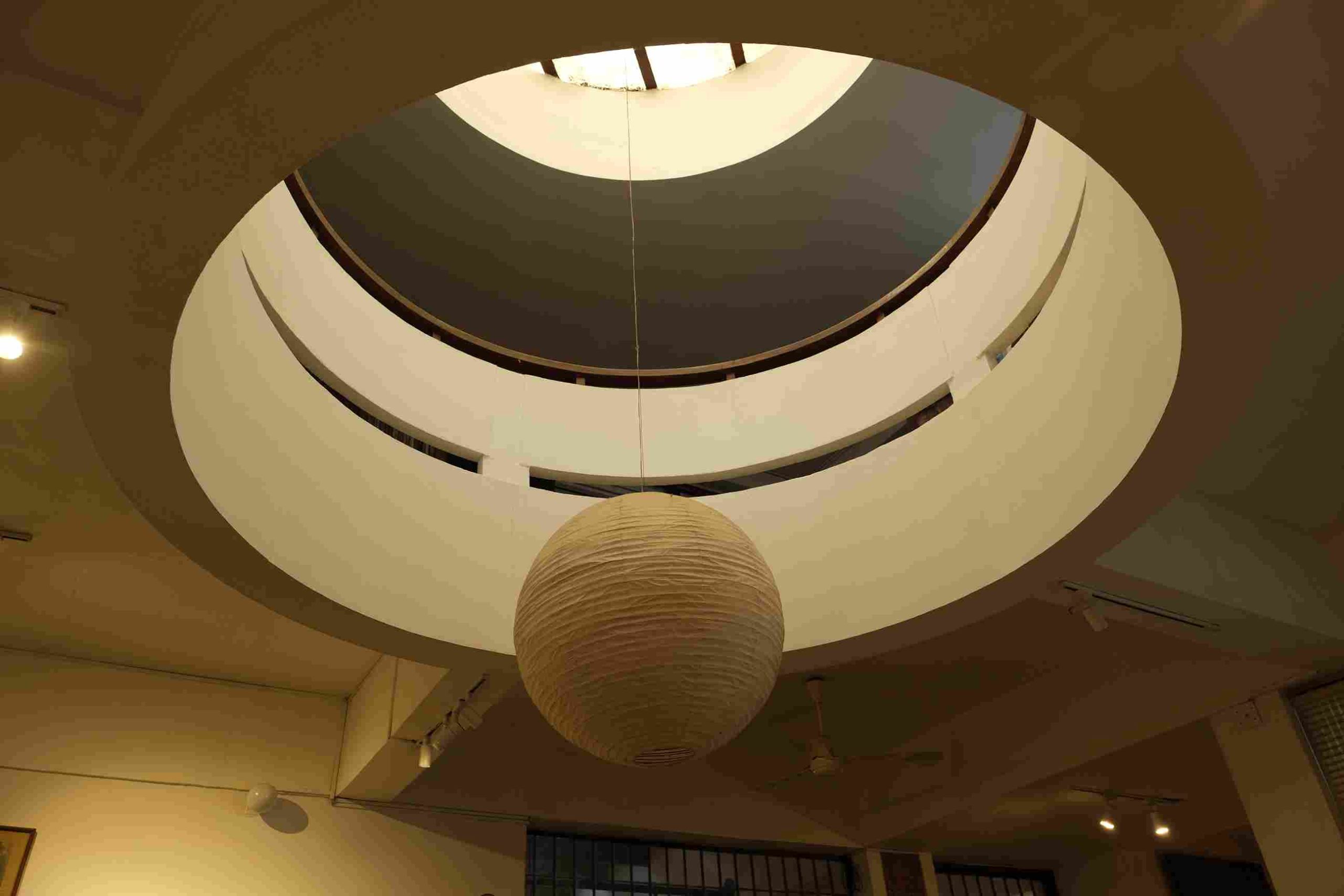
Skylight
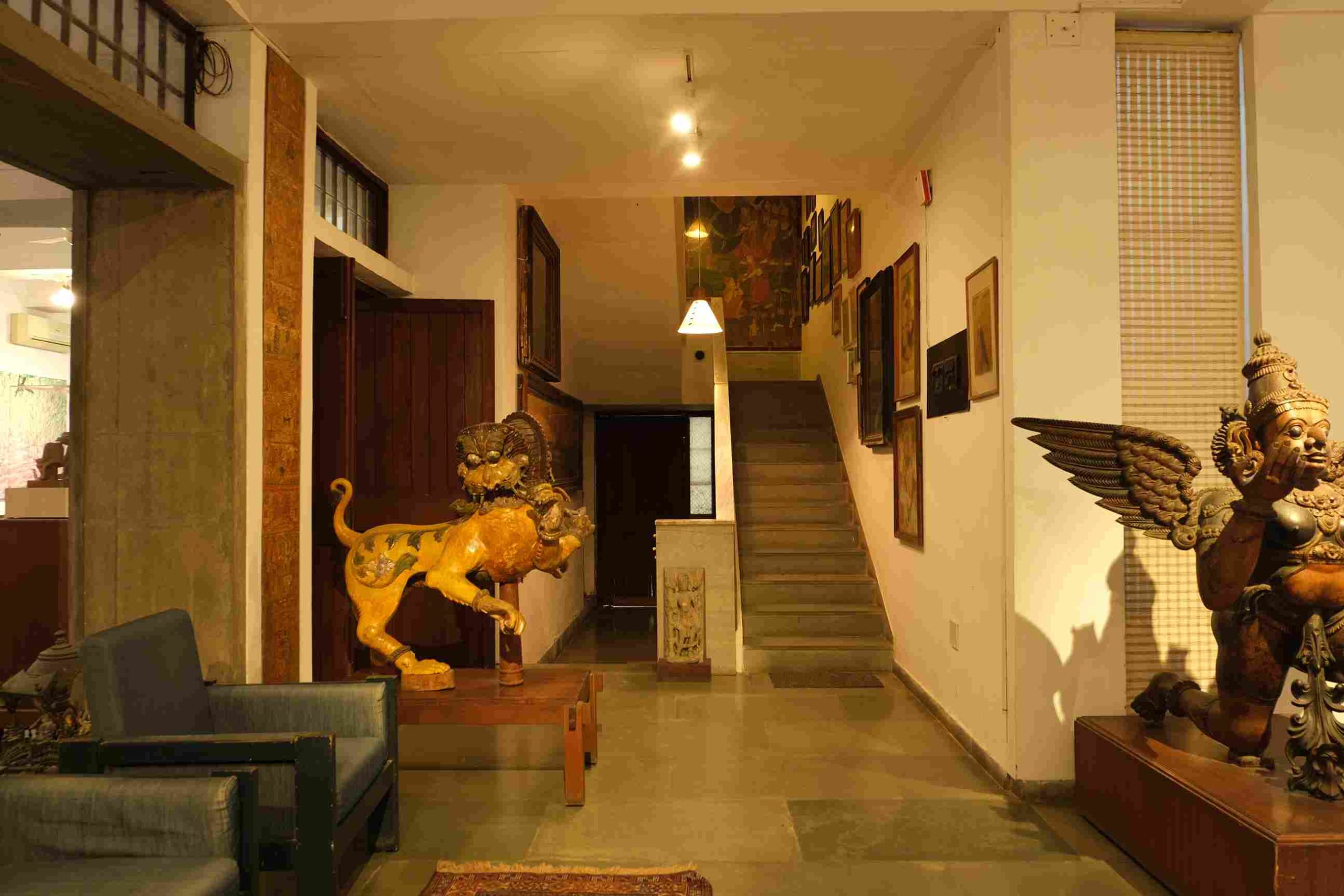
On entering the house, visitors are greeted by a triple height of around 10 meters, accompanied by zenithal lighting.
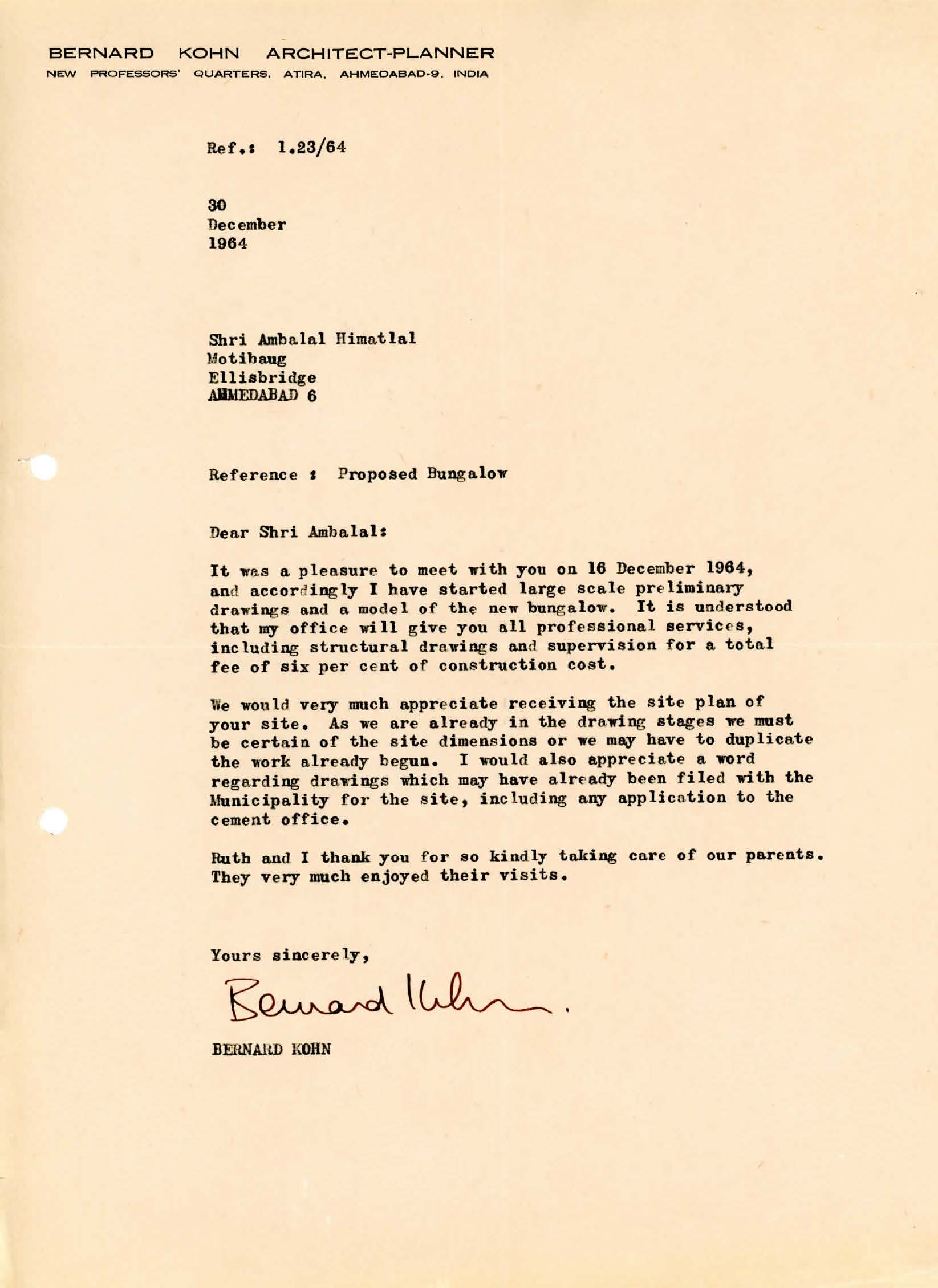
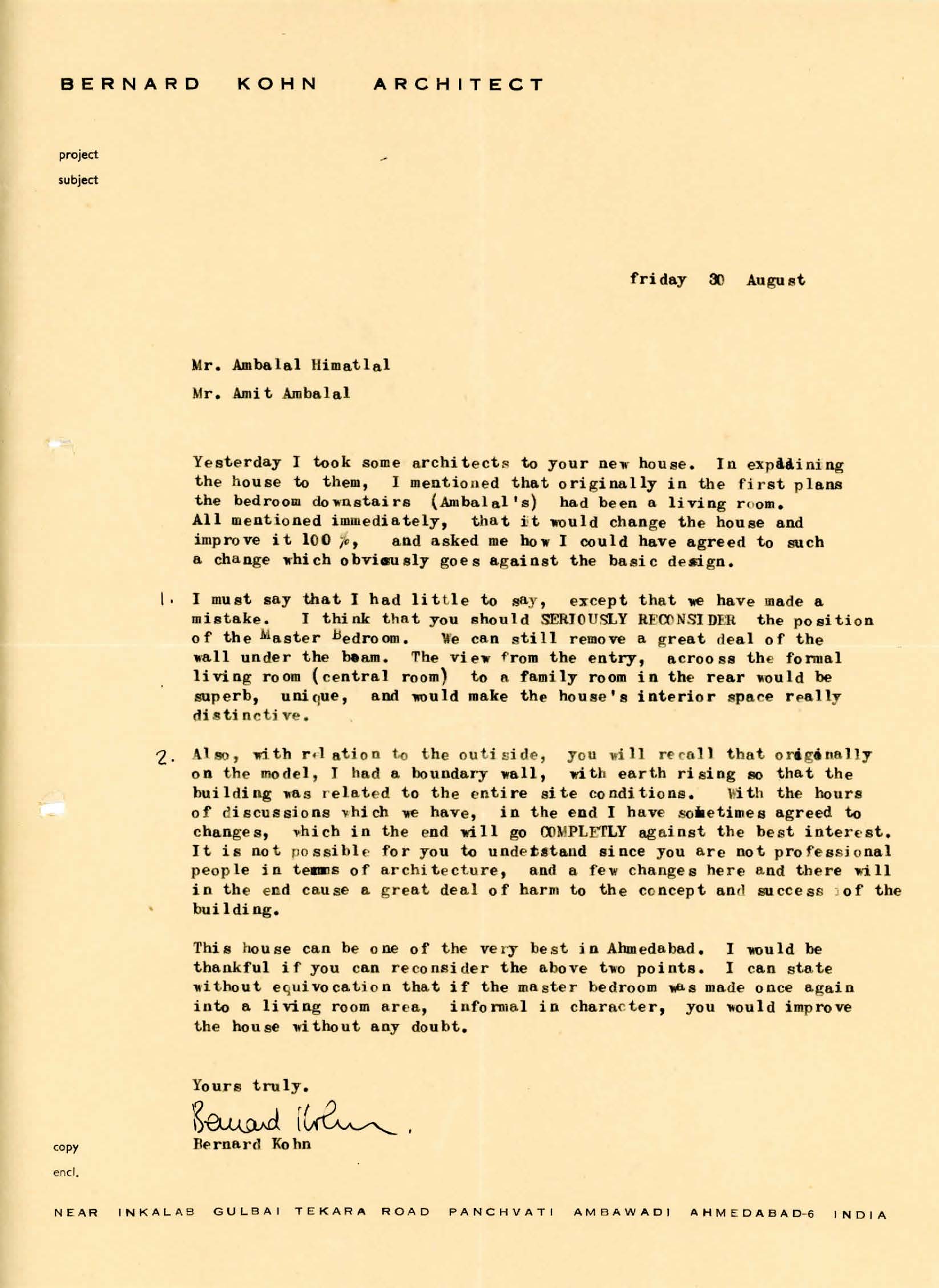
Letters exchanged with the Ambalal family


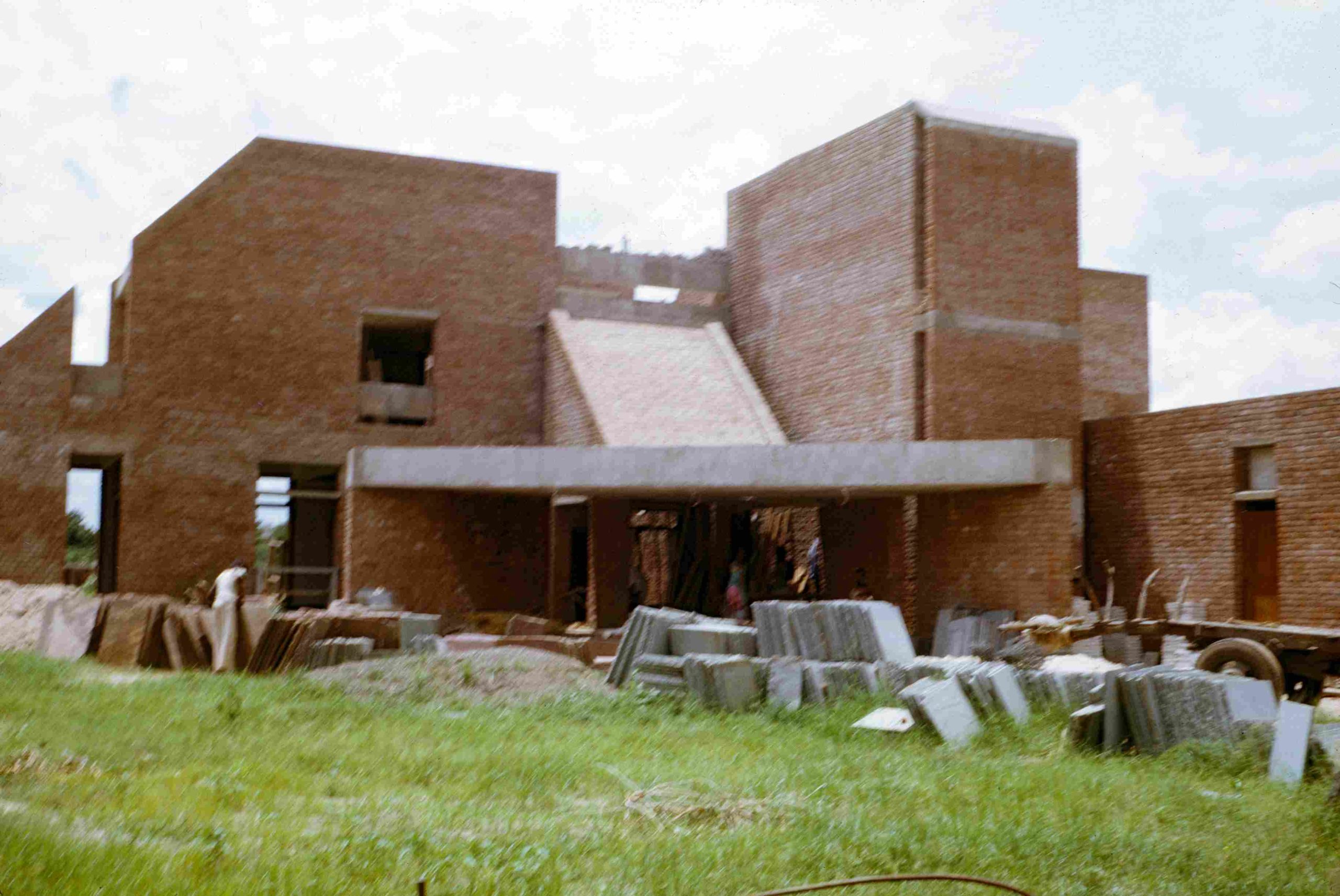
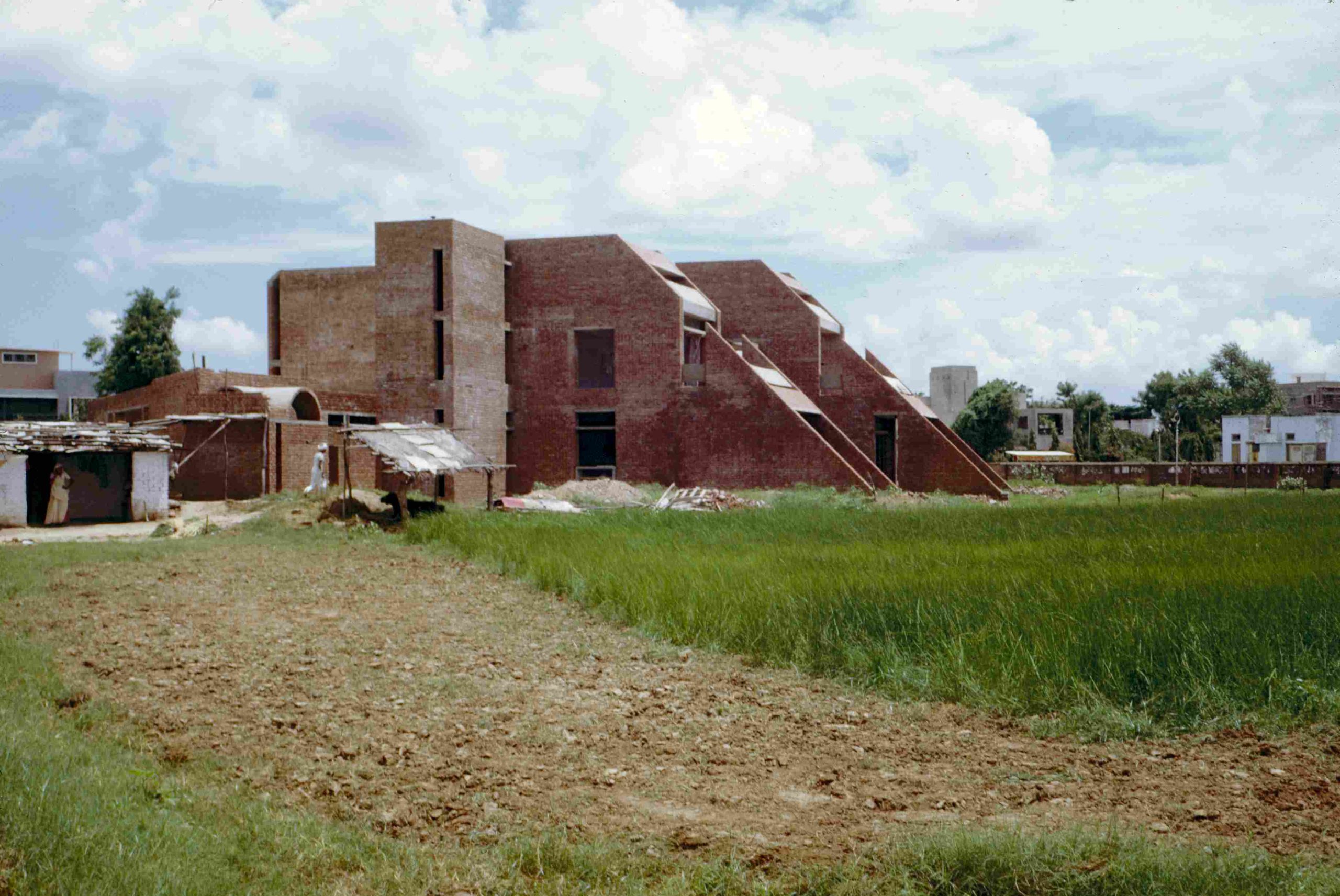
Photos from the 1960s
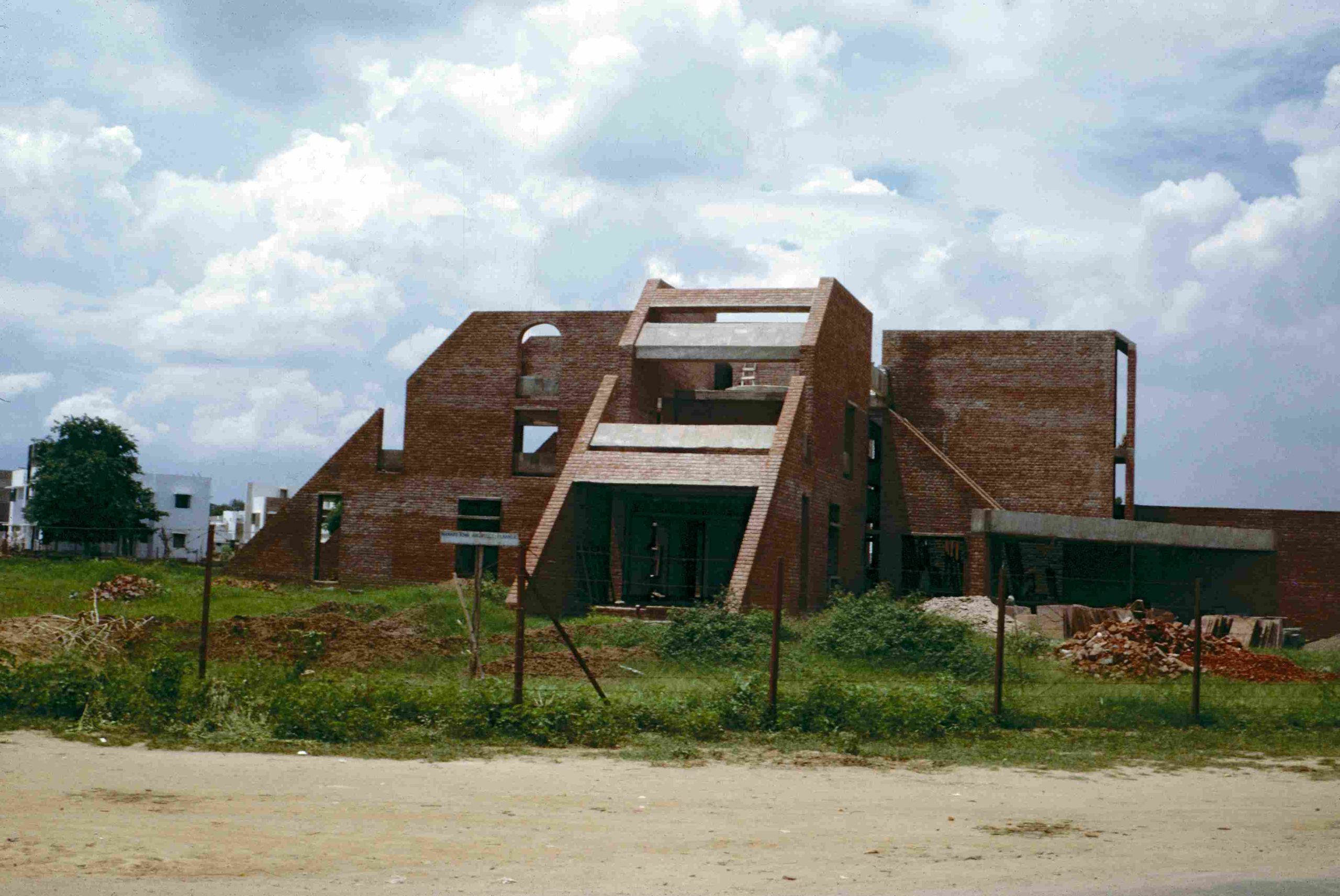
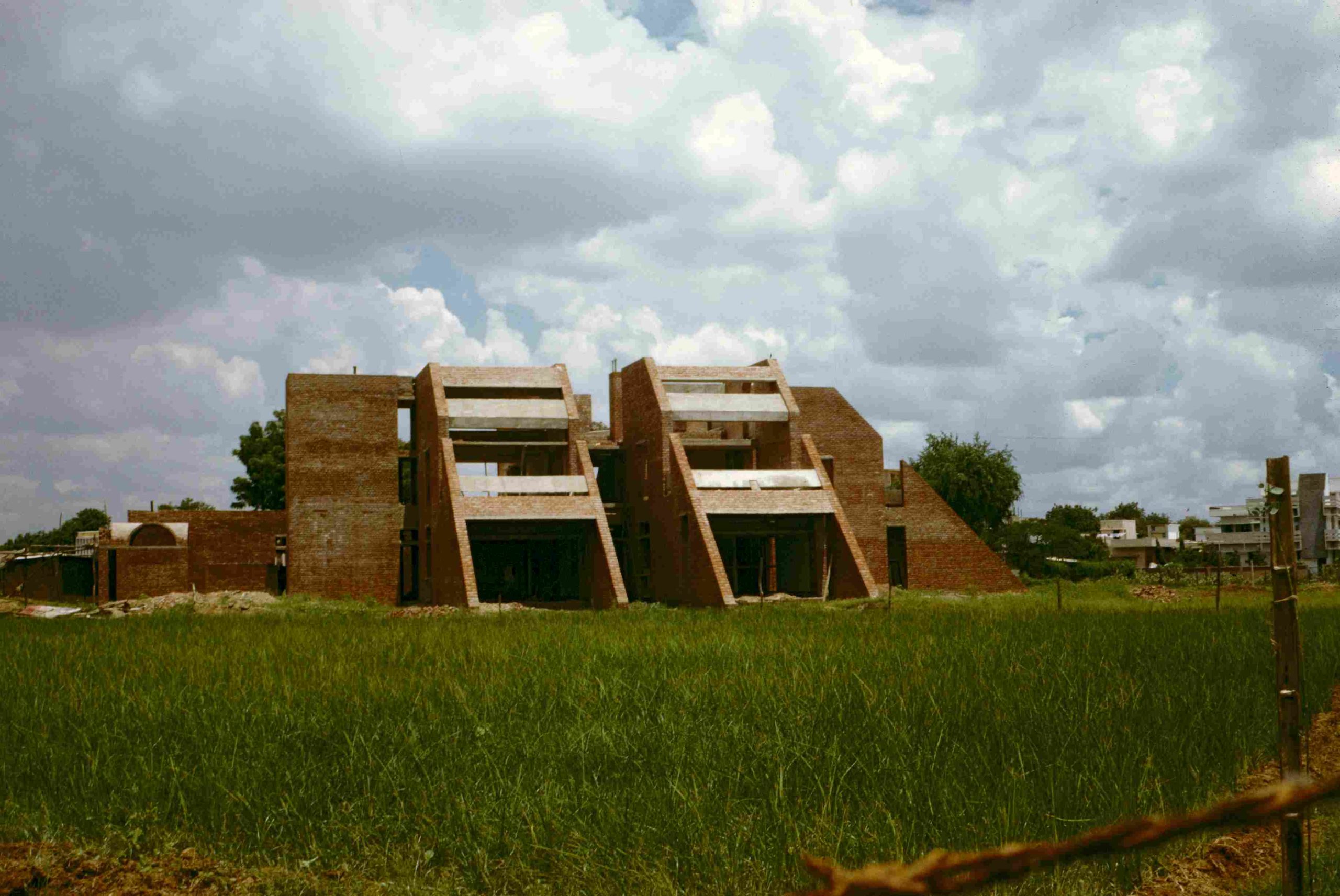
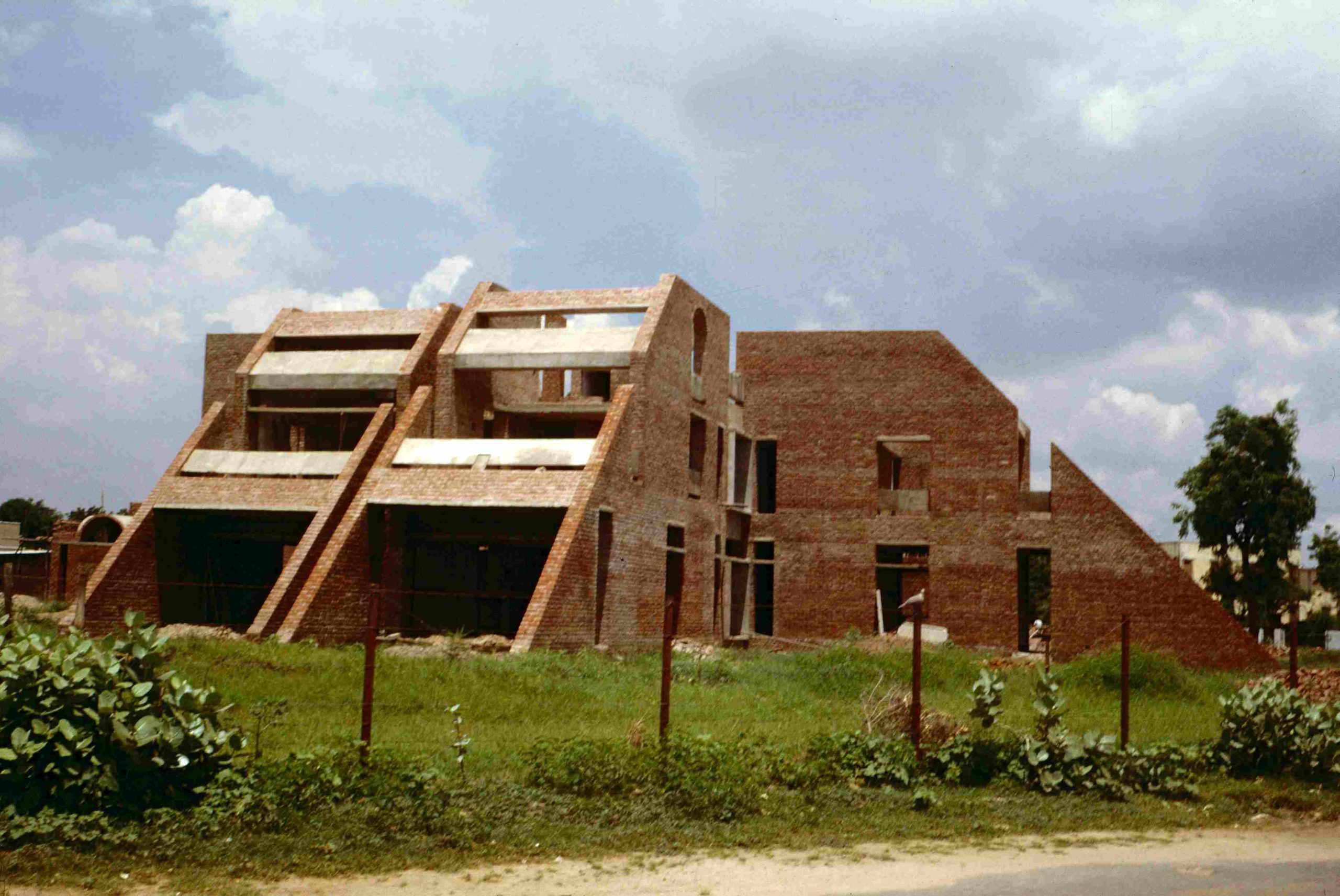
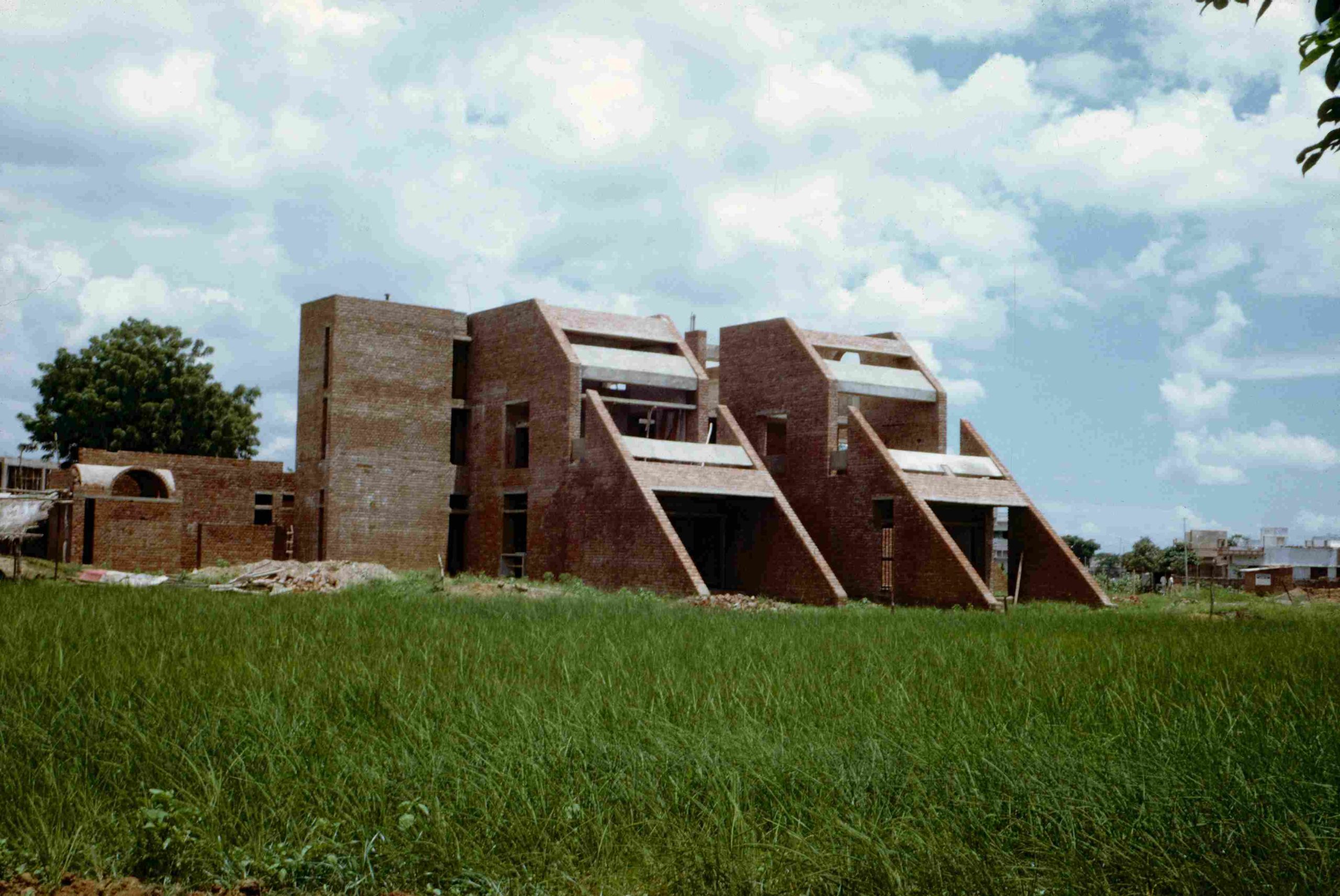

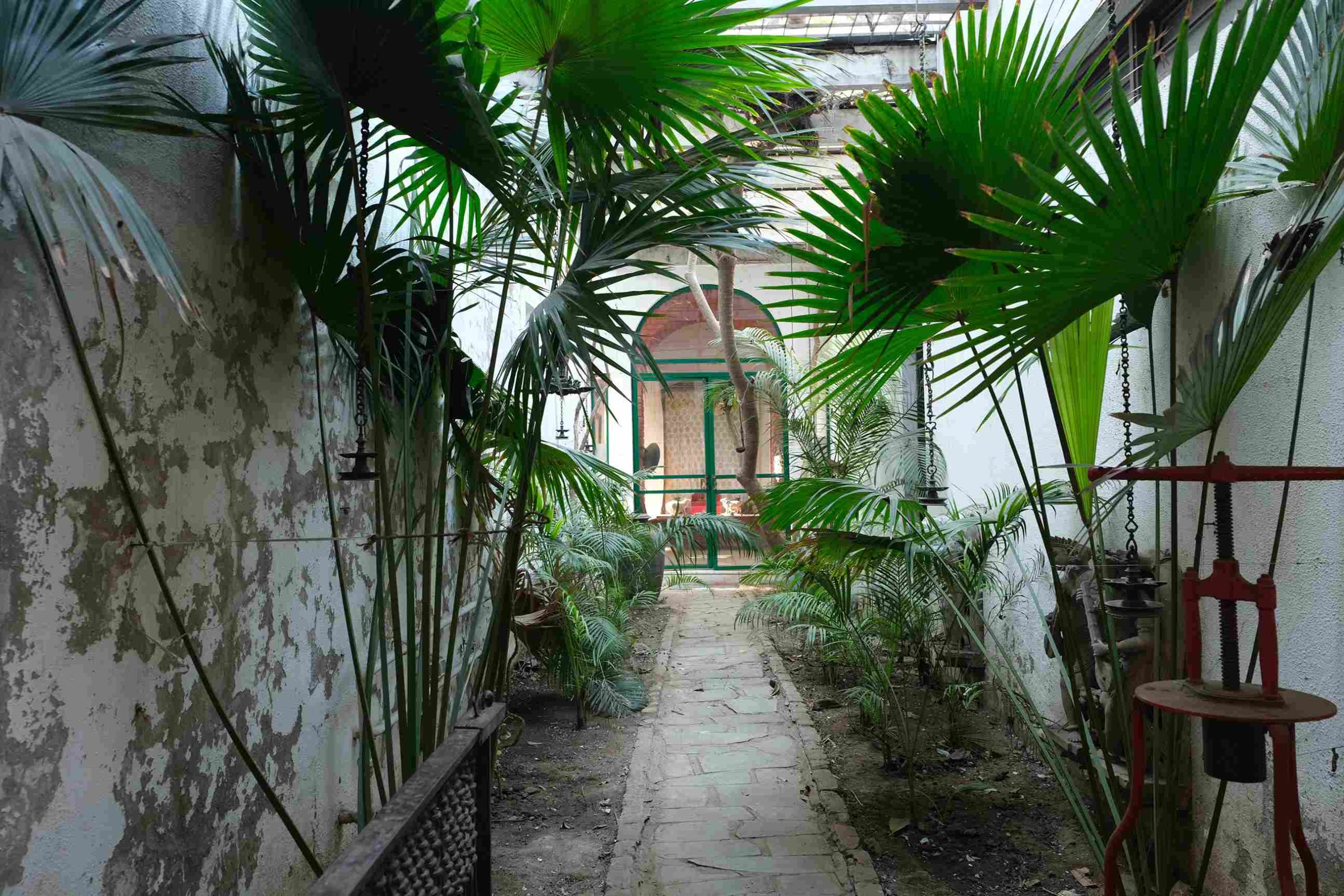
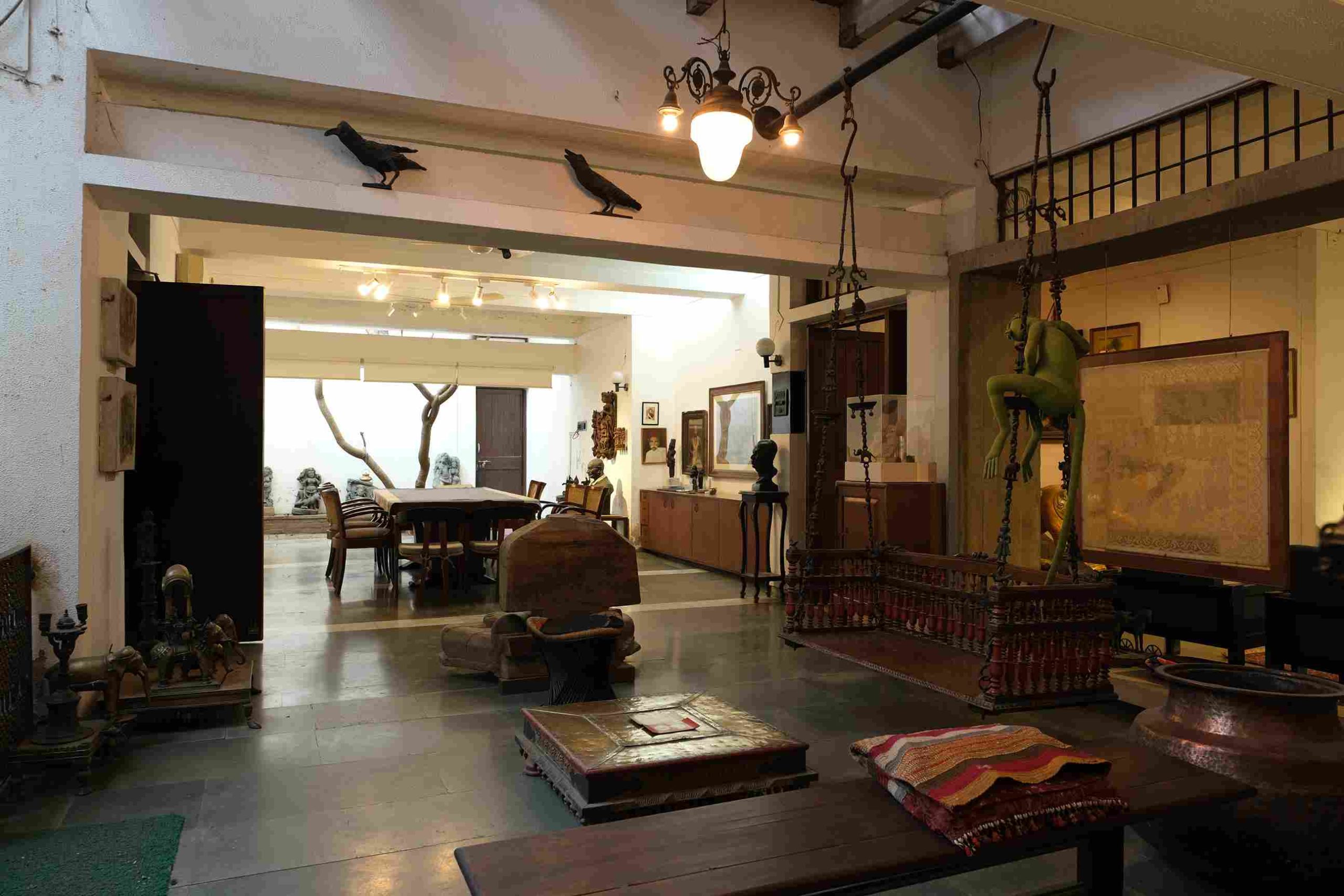
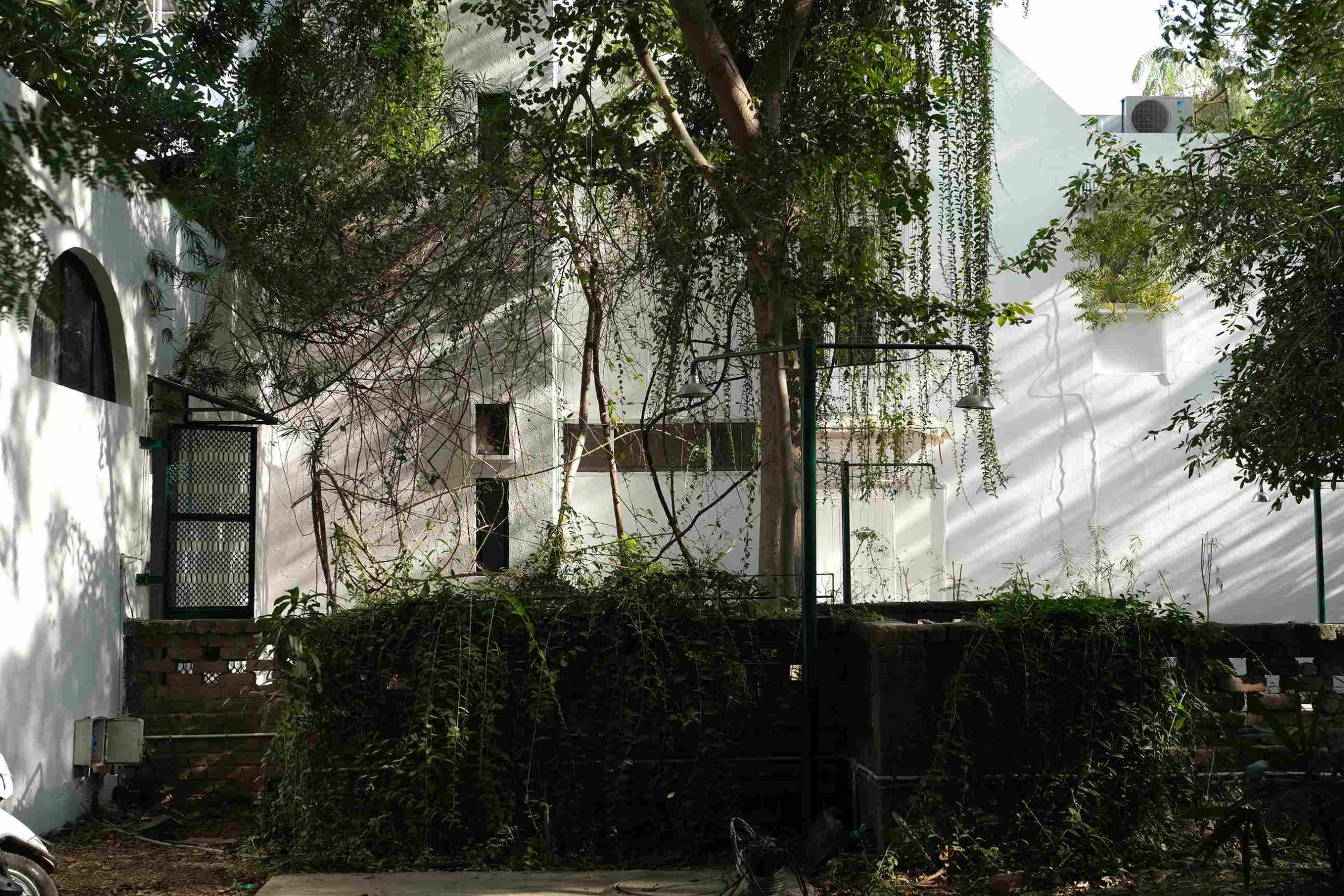
Photos taken in 2024




Context
The house is located in the neighborhood called Navrangpura, which lies on the left side of the Sabarmati River. The surrounding area includes the University of Gujarat, Ahmedabad, CEPT, as well as many other houses in the area.
Project
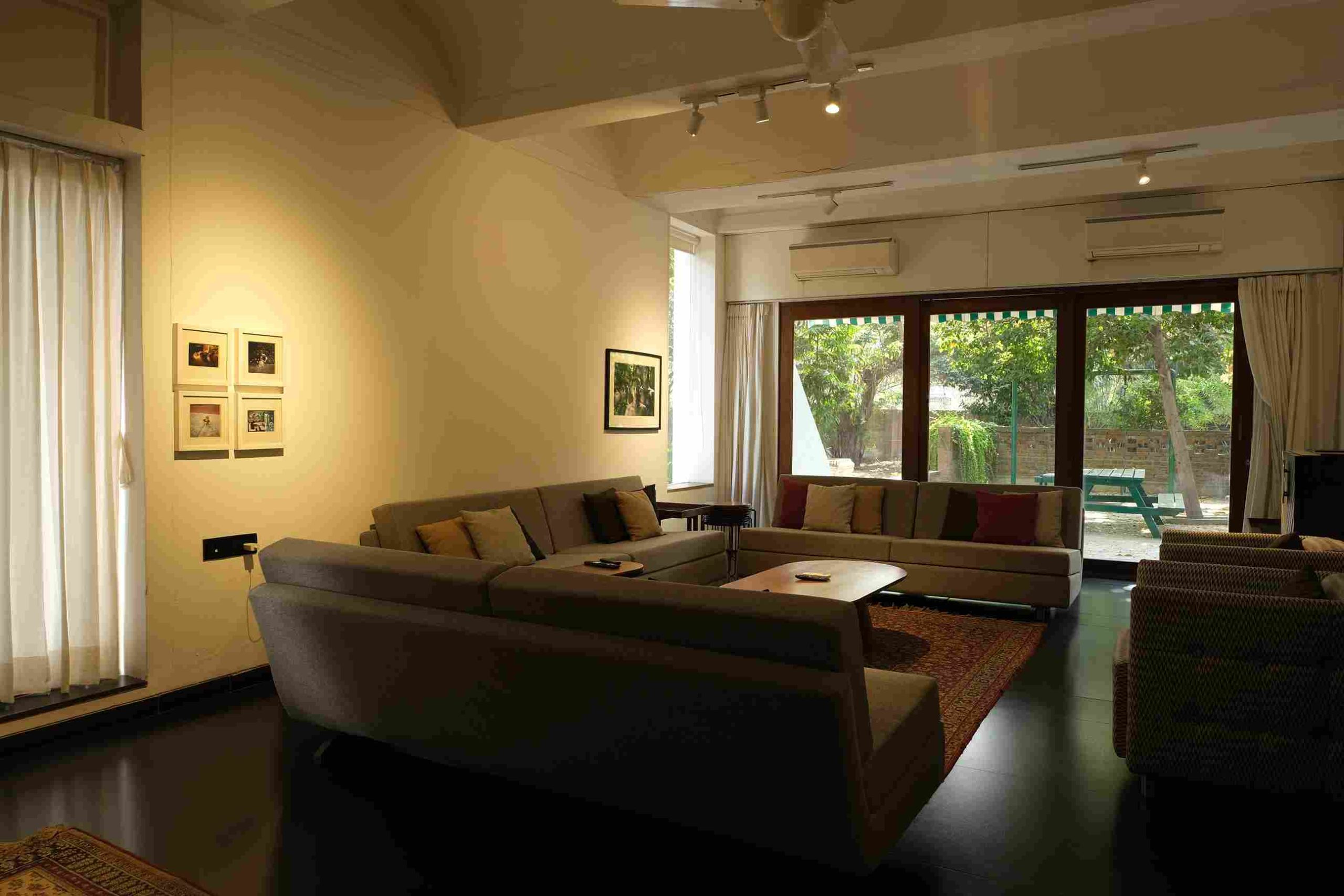
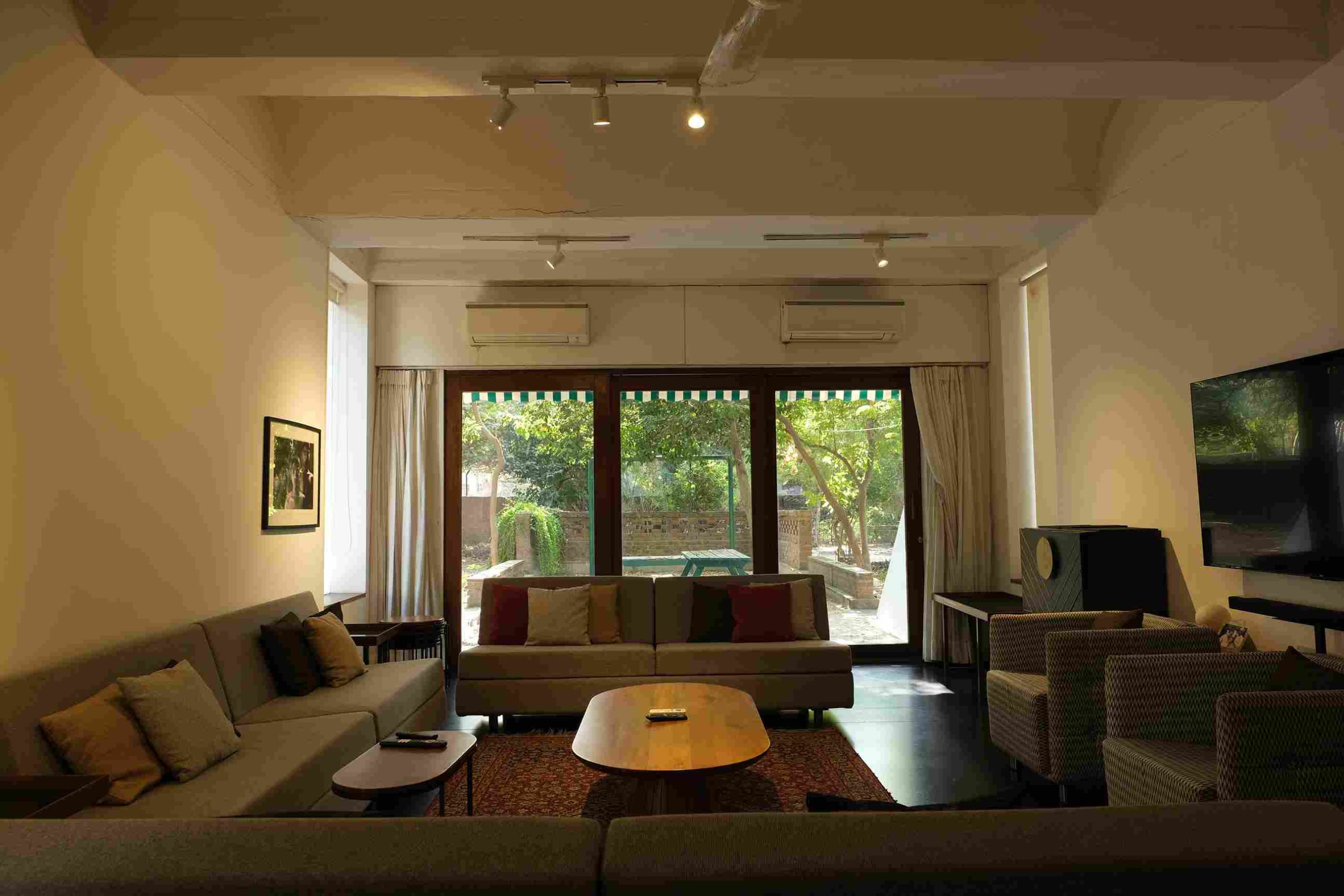
Mr. Ambalal Himatal (father) and Mr. Amit Ambalal (son) wanted to replace their old bangalow with a new home that reflected their lives. After meeting several architects, they entrusted the design to Bernard Kohn, who understood the role of architecture as being the most in tune with nature and the closest to man. Throughout the design process, Kohn visited the Ambalals regularly, befriending them and understanding their lives. As an artist, Amit Ambalal needed exhibition walls in his home. So Kohn designed the ground floor to be very high, with zenithal lighting to highlight the works of art. In addition, the diagonal walls, reminiscent of a pyramid, serve to block light in summer and let it in abundantly in winter. The house was once red with exposed bricks, but has been renovated and painted in white plaster.
Program
Private home
Technical Data Sheet
Client: Ambalal family
Surface: 3,000 m²
Design: 1964
Delivery: 1971
Architect: Bernard Kohn


