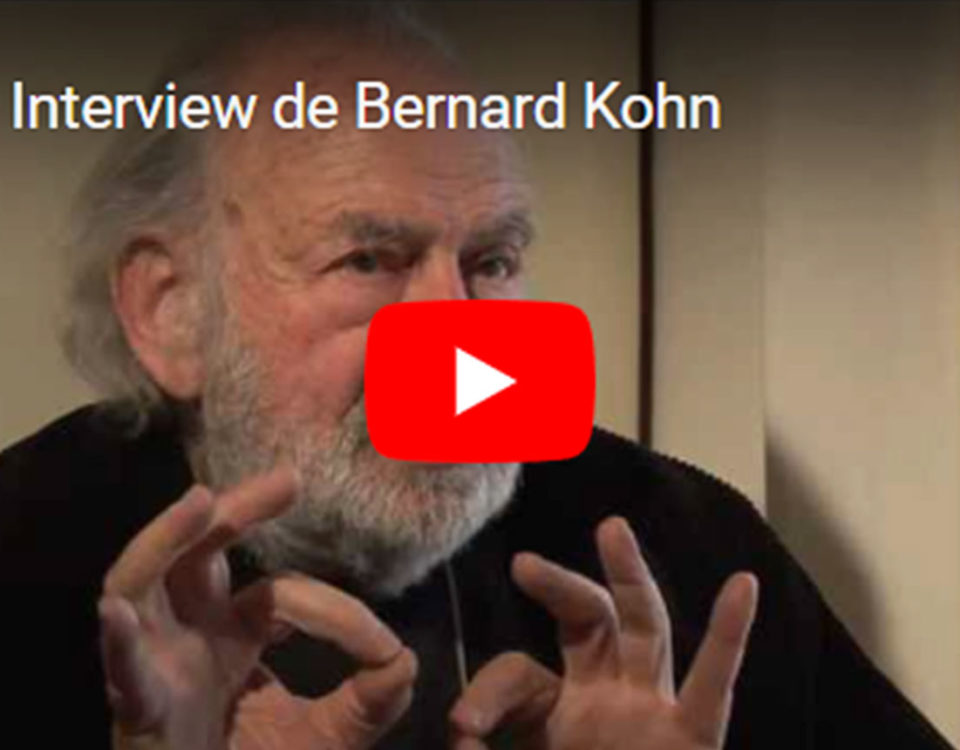
Born in France in 1931, Bernard Kohn emigrated to the United States in 1940. He studied at Syracuse, Columbia, and the University of Pennsylvania (under Louis I. Kahn), then taught in the Department of Urban Planning at Yale University.
He worked in the United States and India, following in the footsteps of Patrick Geddes, before returning to France in 1969, where he joined the Ministry of Cultural Affairs as an educational advisor.

From thought to projects
Immerse yourself in the world of Bernard Kohn, where architecture becomes a tool for social transformation. Through innovative teaching methods, participatory projects, and a return to traditional skills, he invites us to rethink the way we build, creating authentic and sustainable spaces. An inspiring and humanistic vision of architecture.
We are only passing through an unfinished world, and we have an ethical responsibility to question our role in it and to participate in its improvement...
- Albert Camus
Inspiration
I am grateful to Gandhi, Martin Luther King, Paulo Freire, Ivan Illich, and Patrick Geddes, who remains for me an essential visionary... Martin Buber, Dom Helder Camara, Pierre Rabhi, E. F. Schumacher, and in our field: Louis I. Kahn, Aldo Van Eyck, Kevin Lynch, Christopher Alexander, Giancarlo de Carlo, George Nakashima, and, more closely related to our work in the Hérault region, the contributions of Alberto Magnaghi, “the urban village,” and David Mangin, “the franchised city.”
I cannot forget these incredible artisans of yesterday and today, from here and elsewhere, men who are generally not mentioned in magazines.
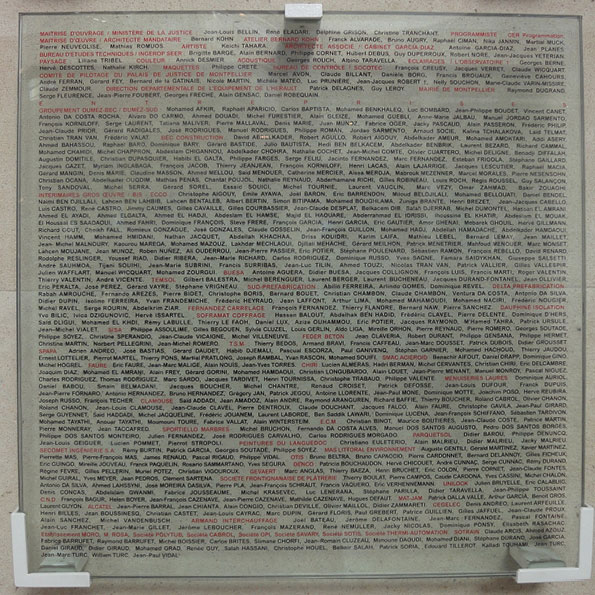
At the Montpellier Courthouse, I insisted on placing a large plaque at the entrance with more than six hundred names: those of the workers who had worked on the construction site.
Without them, there would be no work.
This recognition is also a form of participation.

Mahatma Gandhi
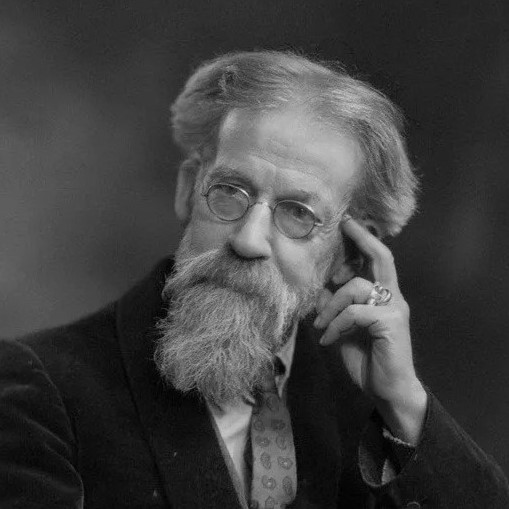
Patrick Geddes
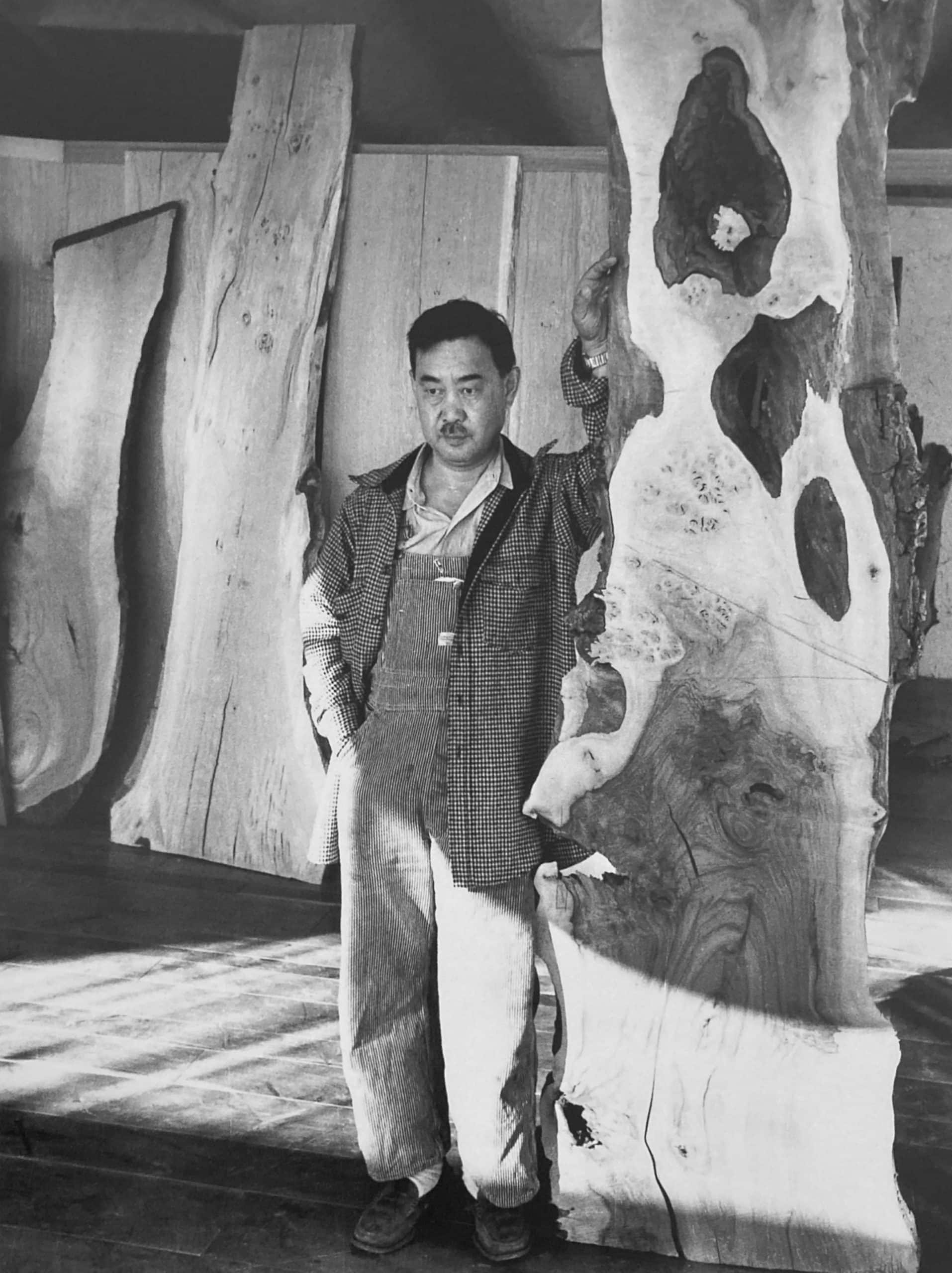
George Nakashima
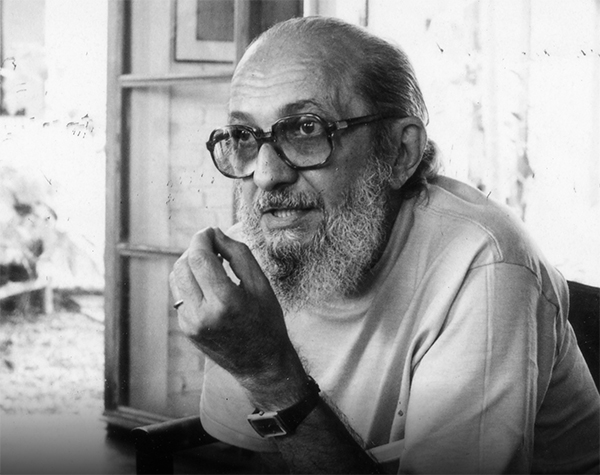
Paulo Freire

Louis I. Kahn
Ivan Illich
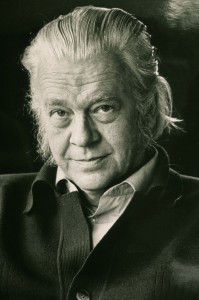
Ernst Friedrich Schumacher
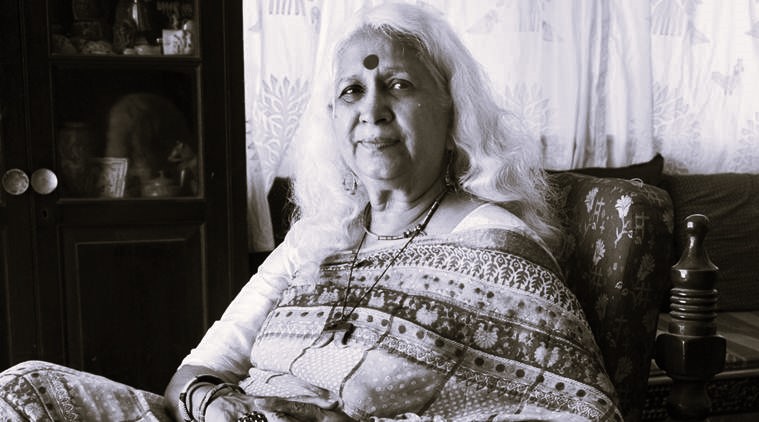
Esther David
Sharing and recognition
At the Montpellier Courthouse, I insisted on placing a large plaque at the entrance bearing more than six hundred names: those of the workers who had labored on the construction site. Without them, the building would not exist. This recognition is also a form of participation.
This is an exceptional form of recognition that I have not observed elsewhere.
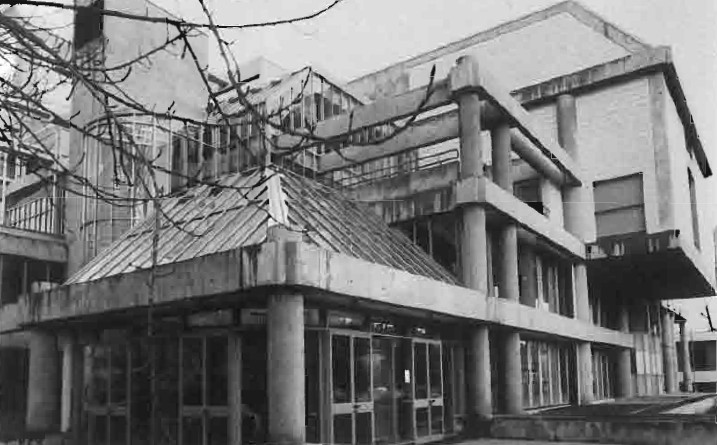
Architecture
We are only passing through an unfinished world, and we have an ethical responsibility to question our role in it and to participate in its improvement...
Can we construct excessive buildings without being aware of social inequalities and without contributing to increasing them through our proposals and projects, which are sometimes “prestigious” like these arrogant towers alongside which poverty persists, from Shanghai to Marseille?
How is it that I have the joy and privilege of being able to exist, conceive, share, transmit...
We build for the children of today and tomorrow...
When it comes to them, I don't want to contribute to the destruction of our environment.

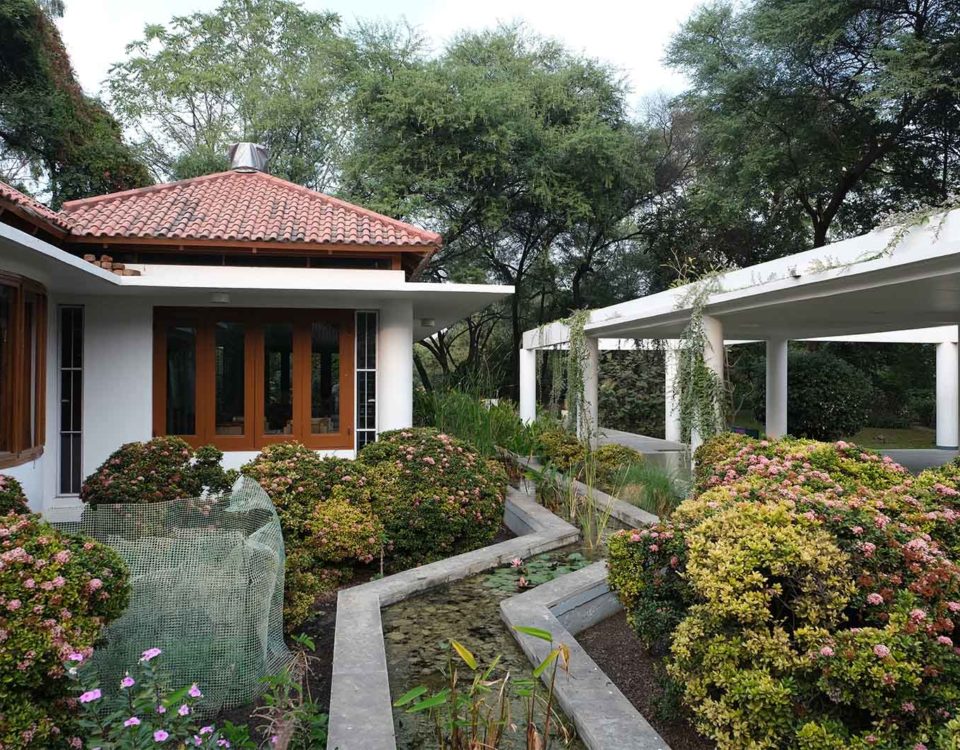
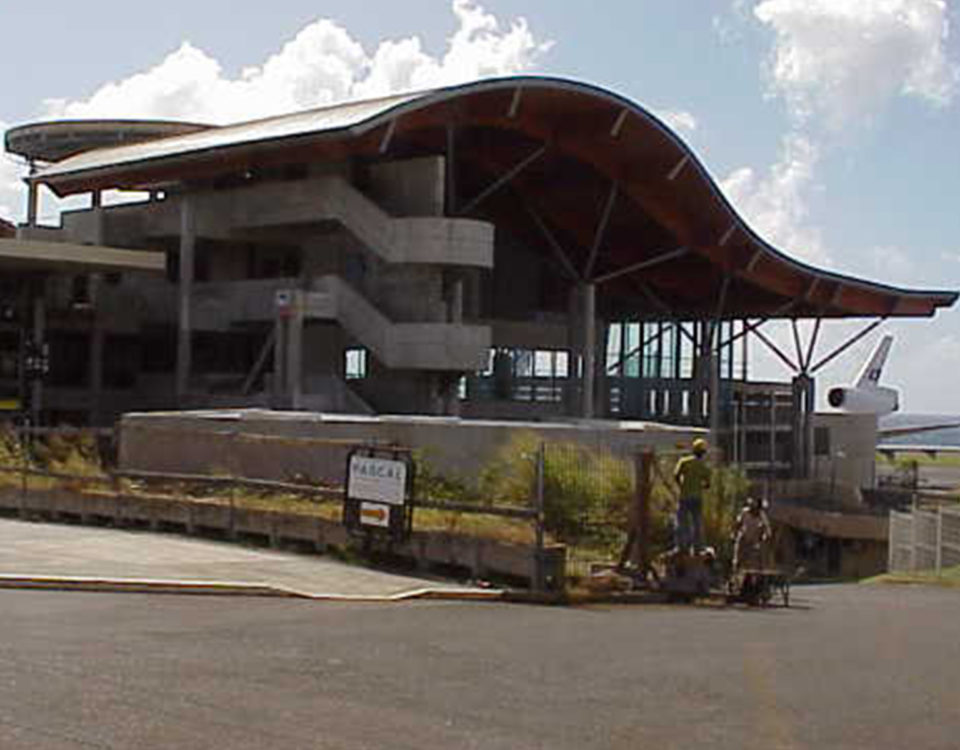
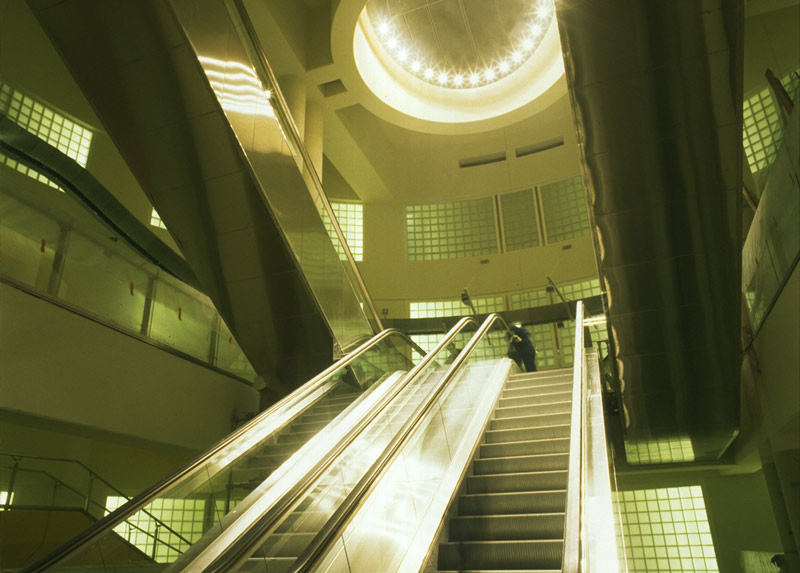
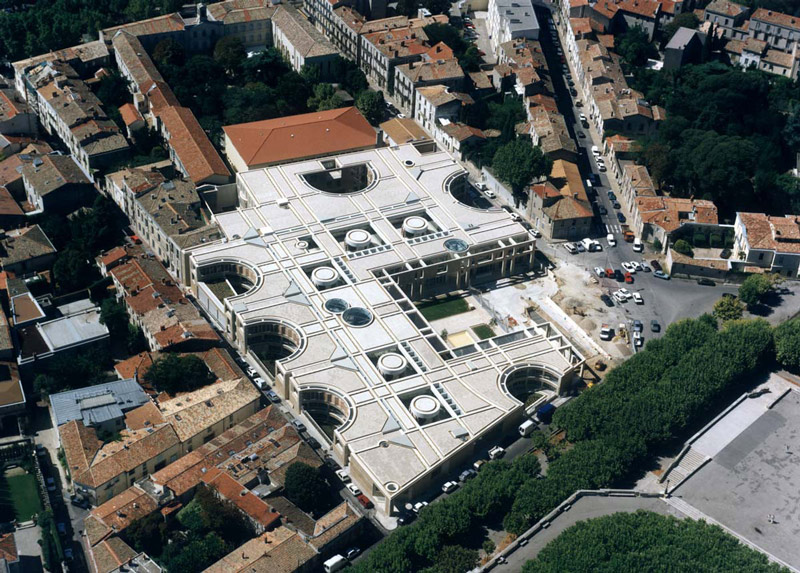
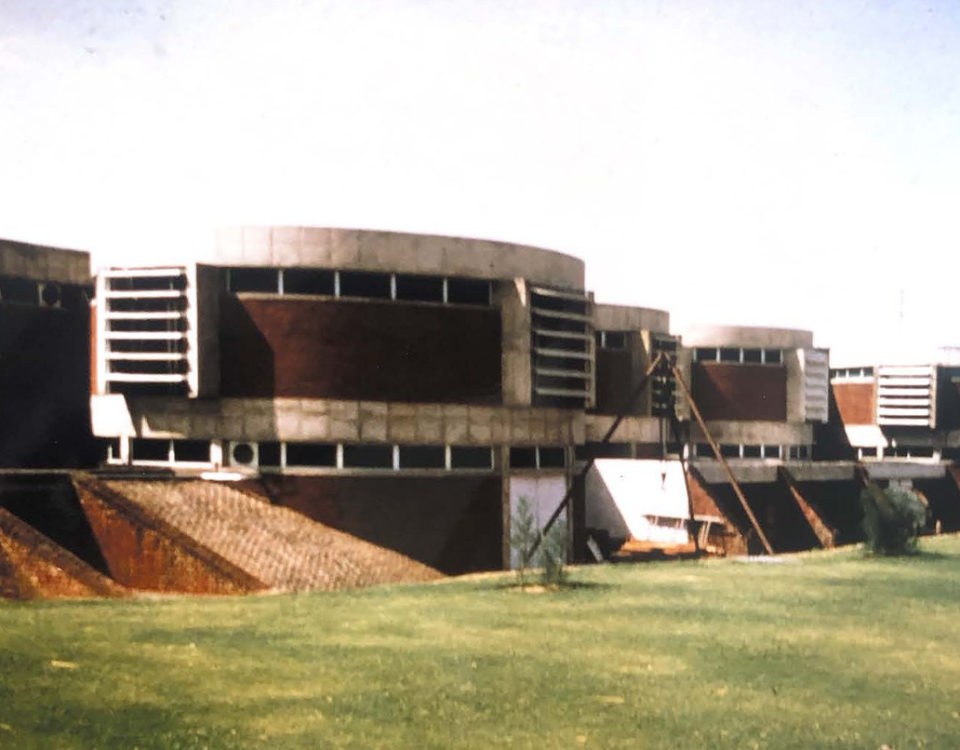
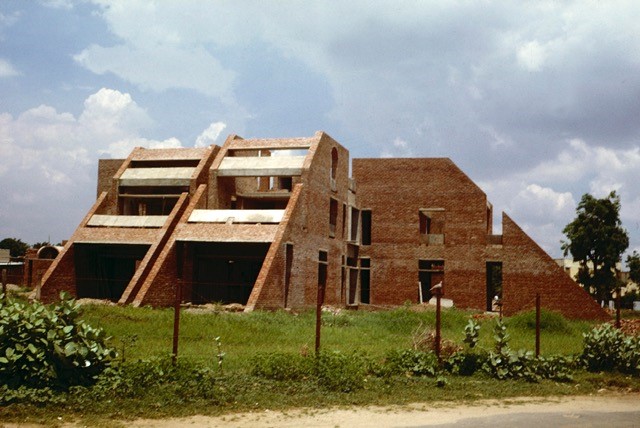
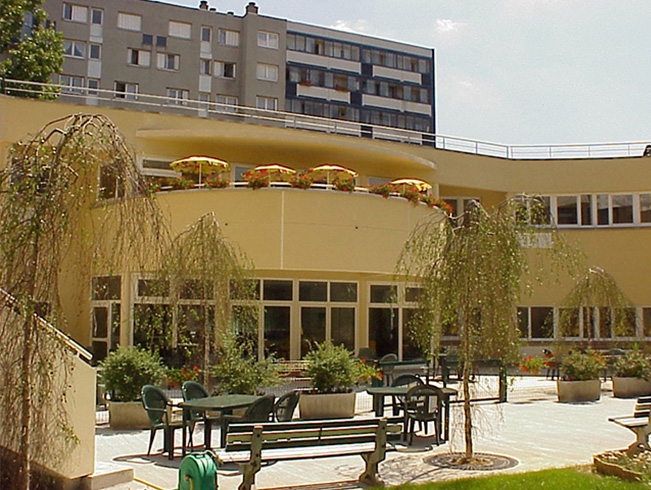
Participatory Architecture
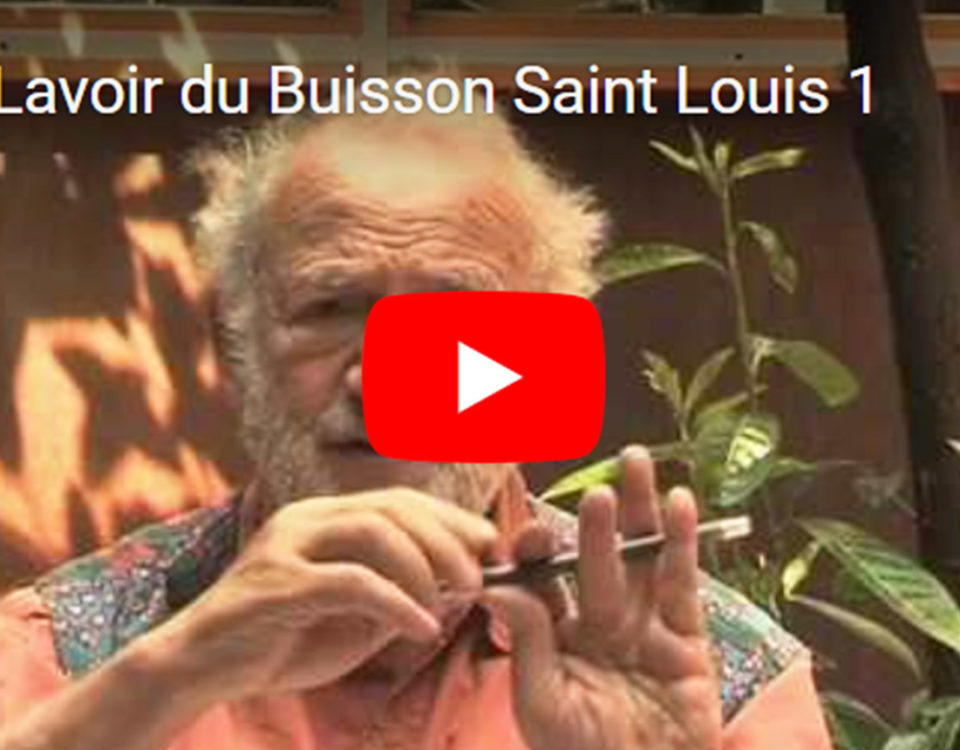
The Lavoir Buisson Saint-Louis embodies participatory architecture, where residents and architects have co-created a space for meeting and sharing, combining collective memory and contemporary uses.
Committed Pedagogy
Raise awareness, train, question, create...
I remain deeply concerned with training and practicing pedagogy that is actively engaged with a region. Strongly inspired by Patrick Geddes and the “militant university,” I have carried out several innovative educational experiments in India and France.
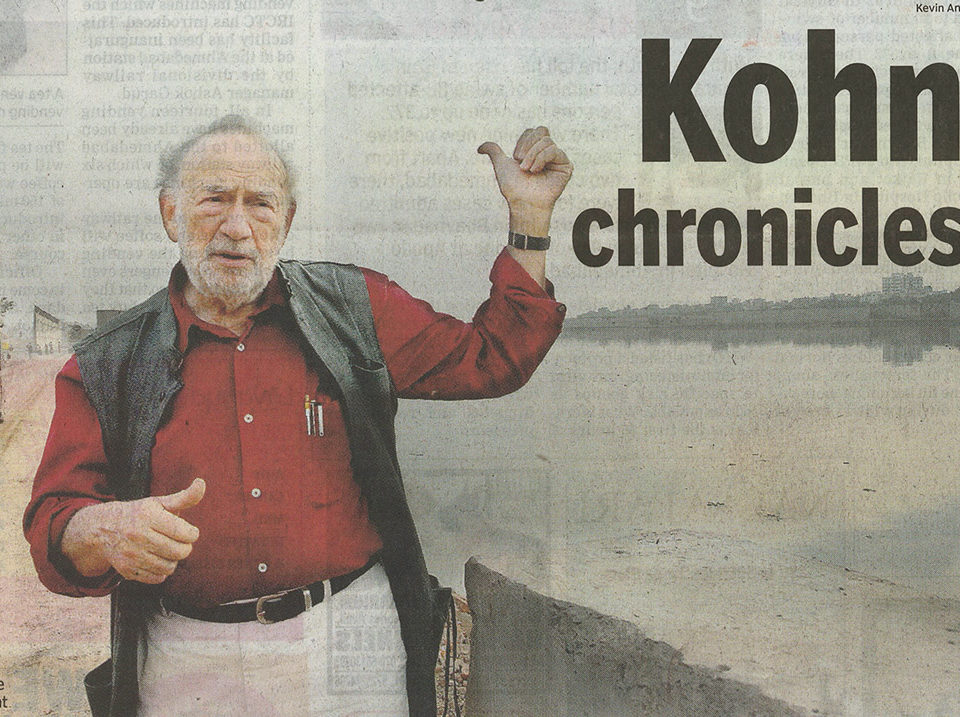
Sharing a practice... Films, Exhibitions
Being present in the world around us
I have always designed projects focused on people, their activities, their environment, and living environments, often resulting from joint work or collaboration with residents, students, etc.
It's about building places, not just square meters that are stacked or spread out. Architecture can create functional and poetic living environments that facilitate the development of activities and the fulfillment of the people who inhabit them. The places I design must be able to breathe. They reflect a constant search for the meaning of the project. Alongside the art of building, I am very concerned with how we position ourselves in relation to what is happening locally and in the world.
We remain witnesses while participating, even indirectly, in the glaring political, social, and cultural inequalities that take place there. Like each of us, I accept my share of responsibility. But built environments cannot go beyond a certain point. They cannot solve societal problems.